

Leave Your Message

How to Source Driving Lenses from Global Suppliers?

Sourcing Driving Lenses from global suppliers requires more than comparing prices. Buyers must connect optical performance, production capability, documentation, and dependable communication. A lens may look clear under showroom lighting, yet fail during outdoor testing. Small issues matter, including edge distortion, coating uniformity, color accuracy, and frame compatibility.

Experienced sourcing teams begin with a precise technical brief. It should define lens material, optical power, dimensions, tint range, surface treatment, impact requirements, and acceptable tolerances. Suppliers should provide samples, test reports, production photos, and traceability records. Recognized quality systems, such as ISO 9001, can support evaluation, but certificates alone cannot prove consistent performance. An on-site audit or independent inspection may reveal weak packaging, unclear batch labeling, or poorly controlled storage conditions.

Ask specific questions.

Can the supplier maintain stable output during peak seasons? Can it reproduce the same coating across multiple batches? These questions expose practical risks before a purchase order is signed. Payment terms, minimum order quantities, lead times, shipping responsibilities, and corrective-action procedures also deserve careful review. Even experienced buyers sometimes focus too heavily on unit cost. That decision can create expensive rework later. A better approach combines verified samples, transparent communication, measurable quality controls, and realistic delivery planning. This guide explains how to compare global suppliers, reduce avoidable sourcing risks, and build a reliable supply process for Driving Lenses. Some uncertainty will remain. Good sourcing acknowledges it, documents it, and manages it.
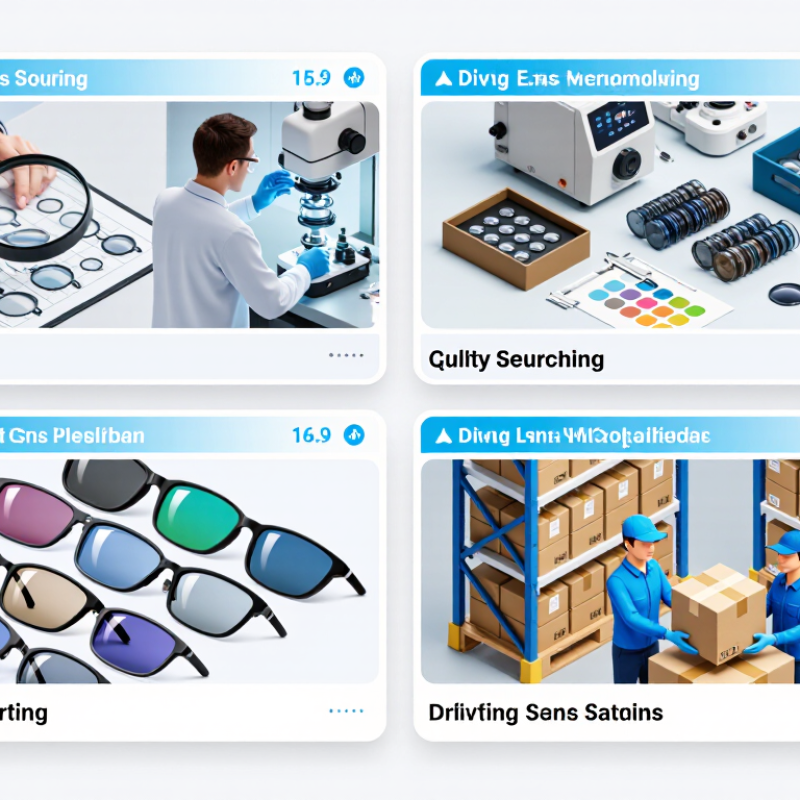
How to Source Driving Lenses from Global Suppliers?

Define Driving Lens Requirements and Compliance Standards

How to Source Driving Lenses from Global Suppliers?

Define Driving Lens Requirements and Compliance Standards

A reliable sourcing project begins with a precise driving lens specification. Define the lens diameter, shape, thickness, material, and allowable dimensional tolerance. State the required light transmission and optical distortion limits. A small variation can create visible glare or uneven illumination. Include resistance requirements for heat, ultraviolet exposure, moisture, vibration, and stone impact. These details help suppliers quote the same product.

Compliance must match the vehicle’s destination markets. Identify applicable lighting regulations, chemical restrictions, labeling rules, and performance tests before requesting samples. Ask suppliers for test methods, laboratory reports, material declarations, and production traceability records. Do not accept a certificate without checking its scope and test date. A compliant sample may still fail after molding changes or surface coating adjustments.

Our early specifications were too general. That caused inconsistent samples.

A better process uses controlled drawings, approved materials, and written inspection criteria. Request several samples from different production batches. Compare their transmission, color, dimensions, and surface quality under identical conditions. Supplier experience matters, but evidence matters more. Review process controls, calibration records, corrective-action history, and packaging protection. We also leave room for revision because real road conditions can reveal weaknesses that laboratory tests miss. This is not a perfect method, but it is more dependable than choosing by price alone.


Identify and Compare Qualified Global Suppliers

When sourcing driving lenses, compare qualified suppliers rather than chasing the lowest quotation. The World Health Organization’s World Report on Vision estimates that at least 2.2 billion people have vision impairment worldwide. This creates steady demand for reliable optical products. Ask each supplier for prescription accuracy records, coating specifications, impact-test results, and traceability documents. ISO 12312-1 offers a useful reference for sunglasses and driving-related eyewear. However, regional requirements can differ. Check the rules in each target market.

Build a supplier scorecard with measurable categories. Rate optical performance, tint consistency, coating durability, production capacity, minimum order quantity, lead time, and complaint handling. Request samples from the same production line used for regular orders. Inspect them under bright light, then test them inside a vehicle. Glare reduction may feel excellent on a cloudy road but uncomfortable under strong sunlight. That detail matters.

The International Trade Centre reports that global merchandise trade remains highly interconnected, yet shipping disruptions can quickly affect delivery schedules. Ask for two logistics options and a documented backup plan. A factory audit helps, but it is not perfect. A clean visit cannot prove every batch will be consistent. Require batch samples, corrective-action records, and clear retention periods.

Compare landed cost, not just unit price. Include testing, freight, duties, packaging, and possible rework. Supplier qualification should remain active after approval. Review performance every quarter.

Evaluate Materials, Manufacturing, and Quality Controls

How to Source Driving Lenses from Global Suppliers?

Evaluate Materials, Manufacturing, and Quality Controls

A reliable driving-lens supplier should explain material selection with test evidence, not attractive brochures. Polycarbonate offers strong impact resistance, while PMMA usually provides better optical clarity and weather stability. The choice depends on heat exposure, lamp design, coating performance, and vehicle location.

The World Health Organization reported approximately 1.19 million annual road deaths in its Global Status Report on Road Safety 2023. Clear, stable lighting components therefore support more than appearance; they influence road visibility.

During supplier audits, request resin certificates, melt-flow records, UV-resistance results, and optical-transmission data. Examine the mold design closely. Uneven wall thickness can create distortion, sink marks, or internal stress. Ask for dimensional inspection plans, automated surface checks, and traceability from resin batch to finished lens. Thermal cycling, humidity exposure, chemical resistance, and impact testing should follow agreed automotive standards. UNECE lighting regulations can provide a useful compliance reference, but they do not replace application-specific validation.

Quality controls need measurable limits. Review process capability data, not only final inspection percentages. A supplier reporting zero defects may simply measure too little. That deserves questioning. I would compare pilot-run results with mass-production results, then inspect retained samples after aging. The audit may still miss hidden weaknesses. Supplier communication, corrective-action speed, and change-control discipline often reveal more than a polished factory visit. ISO 9001 and IATF 16949 certification can support confidence, but independent testing remains necessary.

Verify Samples, Pricing, Logistics, and Trade Terms

Sourcing driving lenses from global suppliers starts with sample verification, not a polished catalogue. Request several samples from the same production batch. Check dimensions, edge finish, coating uniformity, light transmission, and resistance to minor scratches. Test them under daylight and controlled lighting. A lens may look clear on a desk but show distortion after installation. That small difference can affect driver visibility and product acceptance.

Pricing needs more than a unit figure. Ask whether tooling, coatings, packaging, inspection, and replacement samples are included. Compare quotations using the same specifications and order quantity. Low pricing can hide weak quality control or unstable material supply. I have found that a slightly higher price often reduces rework, but this is not always true. Verify the evidence.

Tips: Use a written sample approval sheet. Record measurements, photographs, tolerances, and test results. Ask suppliers to sign the approved specification before mass production. For logistics, confirm carton dimensions, protective inserts, production time, shipping method, insurance, and delivery point. A quoted lead time may exclude holidays or port delays. Trade terms also matter. Clarify whether the price covers export clearance, freight, insurance, import handling, and final delivery. Use clear Incoterms and confirm payment milestones in writing. Never rely on a message that sounds “understood.” Small wording gaps become expensive.

Manage Contracts, Inspections, and Long-Term Supply Performance

Sourcing driving lenses from global suppliers requires more than comparing unit prices. A clear contract should define optical requirements, material grade, UV resistance, impact strength, and dimensional tolerances. Include approved drawings and inspection methods. Specify tooling ownership, payment milestones, packaging standards, and change-control procedures. A supplier must not alter resin, coating, or mold settings without written approval. Delivery terms should identify responsibilities for customs, damage, and delayed shipments. Forecasts are never perfect.

Inspection plans should combine supplier checks with independent verification. Request dimensional reports from every production lot, especially during launch. Use calibrated gauges to measure thickness, mounting points, and critical curvature. Check haze, color consistency, scratches, bubbles, and coating adhesion under controlled lighting. Retain samples from each batch for traceability. One overlooked detail matters: packaging separators must prevent lens-to-lens contact during ocean transport. Pre-shipment photographs help, but they cannot replace physical testing. Sampling levels should reflect product risk and previous defects.

Long-term performance depends on measurable supplier behavior. Track on-time delivery, defect rates, corrective-action closure, response time, and forecast flexibility. Review these figures monthly with documented evidence. When a defect appears, require containment, root-cause analysis, and verification of corrective action. Avoid changing suppliers too quickly; qualification costs can exceed short-term savings. However, loyalty should not excuse repeated failures. A quarterly business review can expose weak capacity planning, unstable processes, or poor communication. Improvement targets should be realistic, but not vague. Supplier relationships need patience, evidence, and occasional uncomfortable questions.