How to Choose the Best Photochromic Polarized Sunglasses?
Choosing the right eyewear is crucial for eye protection and comfort. Photochromic Polarized Sunglasses are a popular choice for outdoor enthusiasts. They adapt to changing light conditions, providing clear vision and UV protection. According to a report by the Vision Council, 75% of Americans wear sunglasses, highlighting their importance.
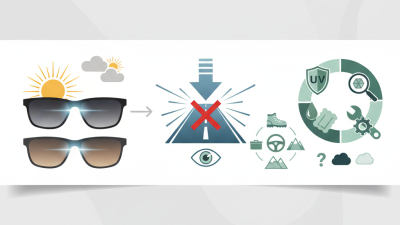
Photochromic lenses darken in sunlight, reducing glare while polarized lenses enhance contrast. Research shows that a significant number of accidents occur due to impaired vision from glare. Wearing Photochromic Polarized Sunglasses can help prevent this issue, ensuring safety during outdoor activities.
Despite their benefits, not all products offer the same quality. Factors like lens material, UV protection level, and polarization quality can vary. Consumers often face challenges in distinguishing between brands. Therefore, understanding the features and specifics of Photochromic Polarized Sunglasses is essential for making an informed choice.
Choosing the Right Photochromic Technology for Sunglasses
Choosing the right photochromic technology is crucial for selecting sunglasses. Photochromic lenses adapt to varying light conditions. They darken under UV exposure and clear up indoors. This technology enhances visual comfort and reduces glare, making them ideal for outdoor activities.
Reports indicate that around 70% of consumers prefer photochromic lenses for daily use. These lenses provide convenience, especially for those transitioning between indoor and outdoor settings. But not all photochromic lenses function equally. Some may take longer to adjust, impacting usability in rapidly changing light.
Tips: Check the activation speed of photochromic lenses. A quicker response time ensures better performance. Additionally, consider the level of UV protection offered. The best lenses should block at least 99% of UV rays.
While photochromic sunglasses offer benefits, they also have limitations. They may not darken as effectively in a car due to windshield UV blocking. Understanding these nuances can help make a more informed choice. Always look for lenses that meet your specific needs.
How to Choose the Best Photochromic Polarized Sunglasses?
| Feature |
Description |
Importance |
| Photochromic Technology |
How lenses darken in sunlight and lighten indoors, affecting visibility |
High |
| Polarization |
Reduces glare from reflective surfaces, improving vision safety |
High |
| Lens Material |
Materials like polycarbonate or glass affect weight and durability |
Medium |
| UV Protection |
Essential for blocking harmful UV rays to protect eye health |
Very High |
| Lens Color |
Different colors can enhance contrast and visibility in specific conditions |
Medium |
| Fit and Comfort |
Proper fit ensures comfort during extended wear, impacting usability |
High |
| Warranty and Policy |
Check the warranty period and return policy for customer reassurance |
Medium |
Understanding Polarization: Benefits for Clarity and Glare Reduction
Understanding polarization in sunglasses can significantly enhance your visual experience. Polarized lenses contain a special filter that blocks intense light. This filter reduces glare from reflective surfaces like water, snow, and roads. A study by the American Optometric Association shows that 99% of people report improved vision comfort while using polarized lenses.
Clarity is essential for safety and enjoyment. According to the Vision Council, polarized sunglasses can increase contrast and reduce eye strain. This is especially beneficial when engaging in outdoor activities such as fishing or skiing, where glare can be a significant distraction. However, not everyone may appreciate the reduced visibility of digital screens when using polarized lenses. This might require some reflection on lifestyle choices.
The technology behind polarization is complex, yet its benefits are clear. Many people overlook how different conditions affect their vision when choosing sunglasses. A good pair should have a proper tint for light conditions and polarization to minimize glare. It’s also crucial to consider how these features align with personal needs and preferences, revealing the imperfect balance between technology and user experience.
Benefits of Photochromic Polarized Sunglasses
Lens Material and Durability: Impact Resistance Standards in Sunglasses
When choosing photochromic polarized sunglasses, lens material and durability are crucial factors. The lenses should meet impact resistance standards that ensure safety and longevity. Polycarbonate and Trivex materials are popular for their lightweight and resilient properties. These materials pass rigorous testing, offering high resistance to impacts. However, some might question their scratch resistance over time.
While glass lenses are known for optical clarity, they are heavier and more prone to shattering. This can make them less suitable for active lifestyles. It's essential to evaluate activities you engage in regularly. A more robust lens may be necessary for sports or outdoor adventures. Look for lenses that surpass ANSI Z80.3 impact standards, ensuring a higher level of protection.
Durability doesn't just rely on the material itself. Lens coatings play an essential role too. Anti-scratch and anti-reflective coatings enhance the durability and usability of the eyewear. Yet, even the best coatings can wear off with time. Regular maintenance and careful handling are vital. Users sometimes overlook these aspects, which can lead to premature degradation of sunglasses. Choosing the right lens material and ensuring proper care can significantly impact your sunglasses' lifespan.
UV Protection Ratings: Importance of UVA and UVB Defense in Sunglasses
When selecting sunglasses, UV protection should be a top priority. Understanding UV protection ratings is crucial for safeguarding your eyes. UV radiation poses serious risks, even on cloudy days. Polarized lenses can reduce glare, but they don’t always offer adequate UV defense. Look for sunglasses that specify both UVA and UVB protection. These rays cause eye damage over time and can lead to conditions like cataracts.
Tips for Choosing Sunglasses:
Check the label! Look for sunglasses that block 99% to 100% of UVA and UVB rays. A dark tint doesn’t mean better protection. Some poorly made sunglasses might block visible light but neglect UV rays. Try to find trusted sources or reviews that highlight effective UV defense.
Consider wraparound styles. They provide added coverage from sunlight entering the sides. This minimizes glare and increases protection. Remember, not all expensive sunglasses guarantee superior UV protection. Research is key to making a wise choice. Don’t just rely on price. Explore options to ensure your investment isn't a waste.
Fit and Comfort: Importance of Frame Design for Long-Term Use
Choosing photochromic polarized sunglasses goes beyond lens technology. The frame design plays a crucial role.
A well-designed frame enhances fit and comfort. This is especially important for long-term use. Poorly fitting frames can lead to unnecessary pressure on the nose or ears. An uncomfortable fit may also distract you from enjoying outdoor activities.
When selecting sunglasses, pay attention to the frame material. Lightweight materials minimize fatigue during extended wear. If the frame feels too heavy, it may cause discomfort over time.
Adjustable nose pads can also improve fit. They allow for a customized experience, accommodating different nasal structures. This small adjustment can make a significant difference.
Consider the overall style and coverage. Wraparound designs can offer better protection from sunlight and wind. These styles are ideal for active individuals. However, some may find them less breathable. It's essential to balance aesthetics, comfort, and practicality. Regularly assess how your sunglasses feel during use. You may find that adjustments or different styles enhance your experience significantly.