2026 Top Photochromic Polarized Sunglasses What to Know?
In the world of eyewear, Photochromic Polarized Sunglasses stand out for their unique features and functionality. These sunglasses adapt to varying light conditions. They darken in bright sunlight and lighten indoors, offering convenience and comfort for the wearer. With the upcoming trends in 2026, understanding their benefits is crucial.
Choosing the right pair requires knowledge. Many brands claim to provide the best quality, but not all meet expectations. Look at the materials used and the level of UV protection offered. Reliable options often balance style with performance. It is vital to consider how these sunglasses fit into your lifestyle. A good pair should enhance your outdoor experiences while protecting your eyes.
However, one must reflect on personal preferences. What works for one person may not suit another. The evolving technology behind Photochromic Polarized Sunglasses presents exciting opportunities. Yet, some may find them lacking in specific conditions. Always prioritize comfort and protection, as they are key to enjoying your sunglasses fully.

Overview of Photochromic Polarized Sunglasses
Photochromic polarized sunglasses are gaining popularity among outdoor enthusiasts and everyday users alike. These sunglasses can adapt to changing light conditions. When exposed to UV rays, the lenses darken, providing comfort and protection. According to recent statistics from the Vision Council, approximately 73% of consumers prefer sunglasses that offer UV protection.
Understanding how these lenses work is crucial. The photochromic property is based on a chemical reaction triggered by UV light. In bright sunlight, lenses turn darker, enhancing visibility. When indoors or in low light, they revert to a clear state. This tech-driven feature can help reduce eye strain significantly, especially during prolonged outdoor activities. However, users might notice that the transition may take a few seconds, which can be an inconvenience in rapidly changing light conditions.
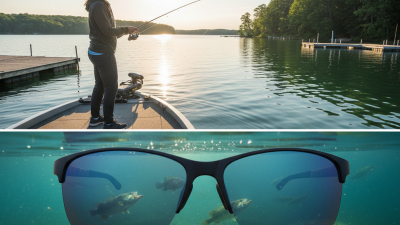
Experts also highlight the polarized aspect. Polarized lenses reduce glare from reflective surfaces like water or roads. This feature improves visual comfort and clarity. A 2022 report from an eyewear analysis firm noted that polarized lenses can increase visibility up to 90% in certain conditions. As technology continues to evolve, consumers should pay attention to factors such as lens quality and durability. Overall, while photochromic polarized sunglasses offer many benefits, there are considerations in terms of performance and responsiveness that users should keep in mind.
Benefits of Photochromic Technology in Sunglasses
Photochromic sunglasses are a game changer for many outdoor enthusiasts. These advanced lenses adapt to changing light conditions, providing optimal comfort and protection. The primary benefit of photochromic technology is its ability to darken in bright sunlight. When indoors or in low light, they return to a clear state. This means less hassle in switching between different pairs of glasses throughout the day.
Beyond convenience, photochromic lenses also offer UV protection. They filter out harmful rays that can damage your eyes over time. This is crucial for individuals who spend extended periods in sunny environments. Enhanced visual clarity is another advantage. You’ll notice reduced glare, allowing for better focus on your activities, whether driving or hiking.
Tips: When selecting photochromic sunglasses, consider factors like lens material and optical quality. A lightweight frame enhances comfort for all-day wear. Evaluate how quickly the lenses transition, as this can affect your experience. Remember that while photochromic technology is impressive, it may not perform equally well in every environment. Reflect on your specific needs to choose the right pair.
2026 Top Photochromic Polarized Sunglasses What to Know? - Benefits of Photochromic Technology in Sunglasses
| Feature |
Description |
Benefits |
| Photochromic Lenses |
Lenses that darken in response to sunlight. |
Provide optimal vision in varying light conditions. |
| Polarized Coating |
Reduces glare from reflective surfaces. |
Enhances clarity and comfort, especially for water and snow activities. |
| UV Protection |
Blocks harmful UV rays. |
Protects eyes from long-term damage and reduces the risk of cataracts. |
| Comfort Fit |
Designed with lightweight materials and ergonomic shapes. |
Ensures all-day wear without discomfort. |
| Scratch Resistance |
Coating that helps to prevent scratches on the lens surface. |
Increases durability and prolongs the life of the sunglasses. |
Key Features to Look for in 2026 Models
When choosing photochromic polarized sunglasses for 2026, it's vital to understand what to look for. The key features will significantly enhance your wearing experience. Look for high-quality lenses that adapt swiftly to changing light conditions. This responsiveness ensures clarity whether you are driving or enjoying outdoor activities.
UV protection is also crucial. Quality sunglasses should block 100% of UVA and UVB rays. This feature is essential for eye health, especially during long summer days. Additionally, consider the frame material. Lightweight and durable materials, like polycarbonate or nylon, offer comfort and long-lasting performance.
Tips: Choose a model with anti-scratch coatings. This feature prolongs the life of your sunglasses. Also, try before you buy. Check the fit and comfort level. A poor fit can become uncomfortable over time. Reflect on the lens color too. Different tints offer varied visual enhancements. While gray lenses reduce brightness, brown lenses enhance contrast.
Always prioritize what suits your lifestyle. Ask yourself how often you'll use them and in what conditions. This reflection will help guide your purchase. Ultimately, the right photochromic polarized sunglasses should enhance your vision while protecting your eyes. Consider your choices carefully.
Top Brands and Products to Consider
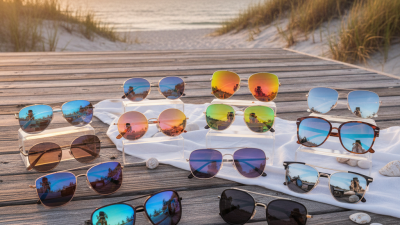
When searching for the best photochromic polarized sunglasses in 2026, it’s essential to explore a range of options. Many brands have crafted innovative designs, merging functionality with comfort. Look for lightweight materials that ensure a snug fit while being easy to wear for extended periods. Comfort enhances vision, so choose styles that don't slip during activities.
One notable trend is the use of advanced lens technology. Some brands are incorporating multi-layer coatings that enhance durability and clarity. This can be especially useful for adventure seekers who spend time in varied environments. Be mindful of UV protection ratings; they are crucial for safeguarding your eyes from harmful rays.
Finding the right sunglasses often requires personal trial. Consider options that allow customization for lens tint and frame style. You may need to reflect on your own needs, especially if spending a lot of time outdoors. Sometimes, what looks great might not function well in real-life scenarios. Pay attention to reviews from credible sources; they can provide invaluable insights. Remember, the perfect pair should offer both style and protection.
Care and Maintenance Tips for Longevity
Caring for photochromic polarized sunglasses is essential for maximizing their lifespan and performance. Research indicates that proper maintenance can extend the life of sunglasses by up to 50%. Regular cleaning is essential. Use a microfiber cloth to remove dust and smudges. Avoid rough fabrics, as they may scratch the lens surface.
Another key point is storage. Storing sunglasses in a hard case prevents physical damage and minimizes exposure to extreme temperatures. High temperatures can lead to lens distortion, affecting performance. “The Eyewear Association” emphasizes that temperature fluctuations can diminish lens responsiveness, making care even more vital.
Sun protection is not just for your eyes; it's also for your sunglasses. When not in use, keep them indoors. UV exposure can degrade lens materials over time. Moreover, it's crucial to check for any signs of wear. If you notice scratches, consider professional repair. Regularly inspecting your sunglasses ensures you catch issues early, preserving functionality and style.