10 Essential Tips for Choosing Photochromic Polarized Sunglasses?
When it comes to selecting the right eyewear, the choice of Photochromic Polarized Sunglasses can significantly enhance your visual comfort outdoors. Renowned optical engineer Dr. Emily Roberts states, “The right sunglasses not only protect your eyes but improve your overall viewing experience.” This emphasizes the importance of making an informed choice.
Photochromic polarized sunglasses are designed to adapt to changing light conditions. They offer two crucial benefits: UV protection and reduced glare. These features are essential for anyone who spends time outdoors, especially in bright environments. However, not all sunglasses are created equal. The market is flooded with options, making it imperative to understand what to look for.
Choosing the right pair requires consideration of factors like lens quality and frame fit. But the process can be overwhelming. It is easy to be swayed by trends or marketing hype. Reflecting on your actual needs is vital. Ultimately, investing time in understanding Photochromic Polarized Sunglasses will lead to better choices and enhanced eye protection.
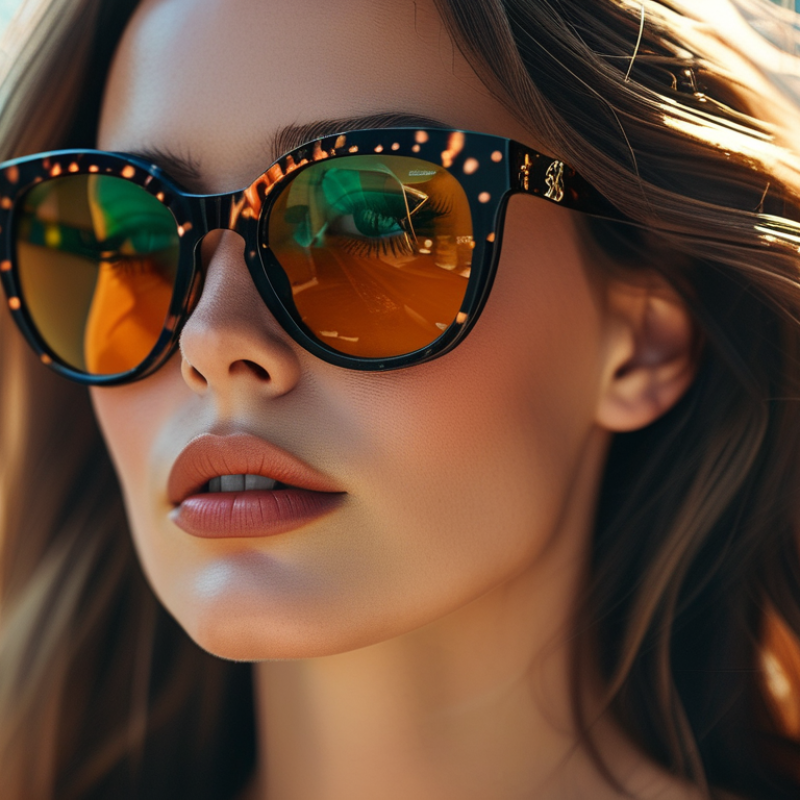
Understanding Photochromic Polarized Sunglasses and Their Benefits
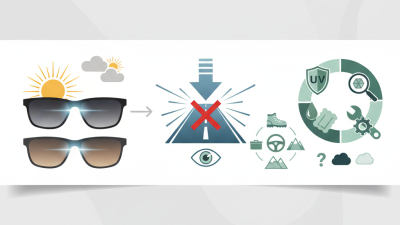
Photochromic polarized sunglasses are essential for protecting your eyes while enhancing visual clarity. These sunglasses transition from light to dark as sunlight changes. This feature is especially useful for outdoor activities. The combination of photochromic and polarized lenses helps reduce glare. This makes them ideal for driving, fishing, or hiking.
When choosing these sunglasses, it's crucial to understand the benefits they bring. They adapt to different light conditions, ensuring your comfort. A well-fitted frame can make a significant difference. Look for lenses that block 100% of UV rays. This protects your eyes from harmful exposure.
Consider the lens color as well. Gray lenses are great for true color perception. Brown lenses enhance contrast and depth perception. Don't overlook the frame style. It should match your face shape and lifestyle. Remember, a perfect fit can improve both comfort and performance.
Your choice reflects not only your taste but also your eye health priorities. Always be mindful of how different brands define "photochromic." Not all lenses transition the same way. Research and reflect on what suits you best.
Key Features to Look for in Photochromic Polarized Sunglasses
When selecting photochromic polarized sunglasses, there are critical features to consider. Photochromic lenses react to UV light, changing from light to dark. This ability offers versatility in varying lighting conditions. However, not all lenses perform equally well. It's crucial to check the speed of transition. Some lenses take longer to adjust, which can be frustrating during outdoor activities.
Polarization is another key feature. Polarized lenses reduce glare, enhancing visual comfort. Look for lenses that provide 100% UV protection. Ensure they are capable of blocking harmful rays. The material of the lenses also matters. Polycarbonate lenses are lightweight and impact-resistant, ideal for sports and outdoor use. However, they may scratch easier than other materials.
Fit and comfort shouldn't be overlooked. Sunglasses should sit snugly without pinching the nose or temples. Test them on your face. Are they too tight? Too loose? Finding the right size ensures you wear them regularly. Lastly, consider aesthetics, but prioritize function. Having a stylish pair is great, but if they don't protect your eyes, they are not worth it. Keep these factors in mind for a satisfactory purchase.
Choosing the Right Lens Color for Your Activities
When selecting photochromic polarized sunglasses, lens color is crucial. Each color serves a unique purpose, enhancing your visual experience. Gray lenses reduce brightness and maintain true color perception. They work well for driving or casual wear. Brown lenses improve contrast, making them ideal for outdoor activities like hiking or fishing. They excel in changing light conditions.
For sports enthusiasts, green lenses offer versatility. They sharpen contrast while reducing glare, perfect for various outdoor sports. Yellow and amber lenses enhance visibility in low light, which can be beneficial for early morning or late afternoon activities. However, these colors may distort color perception. You should consider your environment carefully.
Reflecting on your choices can be illuminating. It's important to prioritize your specific needs. Take time to assess your typical activities. This reflection helps ensure you choose lenses that truly enhance your experience, rather than just following trends. Balancing style and functionality can make a significant difference. Ask yourself: do the lens colors suit my lifestyle?
10 Essential Tips for Choosing Photochromic Polarized Sunglasses
| Tip |
Description |
Recommended Lens Color |
Best Use Case |
| Check UV Protection |
Ensure lenses block 100% of UVA and UVB rays. |
Gray or Green |
Daily wear and outdoor activities. |
| Opt for Polarized Lenses |
Reduces glare and improves clarity on sunny days. |
Brown or Copper |
Water sports and driving. |
| Consider Lens Color |
Different colors enhance contrast for various activities. |
Yellow or Amber |
Low light conditions and overcast days. |
| Look for Durability |
Choose impact-resistant polycarbonate lenses. |
N/A |
All outdoor activities. |
| Fit and Comfort |
Ensure a snug fit that doesn’t pinch or slide. |
N/A |
All-day usage. |
| Lens Coatings |
Anti-scratch and anti-reflective coatings enhance longevity. |
N/A |
General usage. |
| Opt for Adjustable Tint |
Allows change in tint based on lighting conditions. |
N/A |
Variable lighting situations. |
| Check for Warranty |
Look for warranties that cover lens and frame defects. |
N/A |
All users. |
| Consult Reviews and Ratings |
User experiences can guide your choice. |
N/A |
Informed purchasing. |
| Choose Stylish Options |
Select designs that match your personal style. |
N/A |
Everyday wear. |
Assessing UV Protection and Polarization Degrees
When choosing photochromic polarized sunglasses, it's crucial to focus on UV protection. Not all sunglasses provide equal protection against harmful rays. Look for lenses that block 100% of UVA and UVB rays. This shields your eyes while you enjoy outdoor activities. It's essential to check the manufacturer's specifications for clarity on UV ratings.
Polarization degrees are another critical aspect. Polarized lenses reduce glare from surfaces like water or roads. This enhancement improves visibility, especially in bright conditions. However, not all polarization is the same. Some lenses may only partially block glare. Test them in various conditions to find the right level for your needs.
While seeking the perfect pair, remember that comfort matters too. Fit and style should complement your lifestyle. A poor fit can lead to discomfort and hinder performance. Consider how the sunglasses feel during prolonged wear. Take the time to reflect on these factors; they greatly impact your overall experience.
10 Essential Tips for Choosing Photochromic Polarized Sunglasses
This chart assesses key features to consider when selecting photochromic polarized sunglasses. Ratings are based on various important factors such as UV protection level, polarization degree, durability, color options, and price range.
Exploring Frame Styles and Materials for Comfort and Durability
When selecting photochromic polarized sunglasses, consider the frame styles and materials carefully.
A well-designed frame enhances both comfort and durability. Lightweight materials, such as titanium or advanced polymers, provide lasting comfort during extended wear. These materials often resist damage, making them ideal for outdoor activities.
In addition to comfort, think about the frame style. Wrap-around designs offer excellent coverage and help reduce glare from all angles.
This is particularly useful for driving or sports. Opt for adjustable nose pads to ensure a snug fit, which is crucial for optimal lens performance.
When evaluating tips for choosing your sunglasses, pay attention to the lens quality. High-quality polarized lenses should effectively reduce glare without distorting colors. Look for sunglasses that provide 100% UV protection, an essential feature for eye health.
While style is important, prioritize function to avoid potential eye strain. Your sunglasses should protect your eyes without compromising your look.