Why Are UV Ray Sunglasses Essential for Eye Protection?
UV Ray Sunglasses are crucial for protecting your eyes from harmful ultraviolet light. According to Dr. Emily Carter, an ophthalmologist and expert in eye health, "Wearing UV Ray Sunglasses is one of the simplest ways to reduce the risk of cataracts and other eye conditions." This statement underscores the importance of safeguarding our eyesight in a world where UV exposure is prevalent.
UV rays can lead to serious health issues over time. Many people underestimate the impact of these rays. They might not realize that their regular sunglasses may not provide adequate protection. Even on cloudy days, UV rays can penetrate through the clouds. This makes wearing UV Ray Sunglasses a daily necessity, not just a fashion statement.
The right pair of UV Ray Sunglasses should filter out 100% of harmful UV rays. Yet, choosing sunglasses can be overwhelming. Many options flood the market, each claiming to offer protection. It is essential to look for labels that provide proof of UV protection. Opting for quality over trend is crucial in preserving your vision for years to come.
Understanding UV Rays and Their Effects on Eye Health
UV rays can be harmful to our eyes. They are invisible and can lead to serious health issues. Exposure to UV radiation increases the risk of cataracts, macular degeneration, and even some types of eye cancers. It's crucial to understand how these rays affect our eye health.
Wearing UV ray sunglasses offers significant protection. These sunglasses can block up to 100% of harmful UVA and UVB rays. This is essential for anyone who spends time outdoors, especially during peak sunlight hours. The right pair of sunglasses not only enhances comfort but also safeguards long-term eye health.
However, not all sunglasses offer the same level of protection. Often, people may choose style over functionality. It’s important to check labels for UV protection ratings. Don’t overlook the quality. Investing in a good pair can prevent potential eye damage in the future. Consider this a long-term health choice rather than just a fashion statement.
The Importance of UV Protection in Sunglasses
UV protection is crucial for maintaining good eye health. Harmful UV rays can cause long-term damage. Prolonged exposure can lead to cataracts, macular degeneration, and other painful conditions. Sunglasses that offer UV protection are not just a stylish accessory. They serve an important purpose.
When choosing sunglasses, look for a label that indicates UV400 or 100% UV protection. This means the glasses block both UVA and UVB rays. Opt for larger frames that cover more of your eyes. Wraparound styles provide extra protection from rays entering from the sides. Consider polarized lenses for reducing glare, especially when near water or snow.
Tips: Remember to wear sunglasses even on cloudy days. UV rays can penetrate clouds. Regularly inspect your sunglasses for scratches that can hinder protection. If you wear prescription glasses, consider getting prescription sunglasses with UV protection. Prioritize your eyes, as they are vital for experiencing the world. Don’t overlook this simple yet effective form of protection.
Types of UV Rays: UVA, UVB, and UVC Explained
Understanding UV rays is important for eye protection. The sun emits three types of ultraviolet rays: UVA, UVB, and UVC. Each type poses different risks to our eyes.
UVA rays account for about 95% of the UV radiation reaching the Earth's surface. They penetrate deep into the skin and eyes. According to the American Academy of Ophthalmology, prolonged exposure can lead to cataracts and macular degeneration. UVB rays, while less abundant, are more intense. They cause sunburn and can also harm the eyes. Notably, UVC rays, which are the most harmful, are mostly absorbed by the Earth’s atmosphere and do not reach us under normal conditions.
Choosing the right sunglasses is crucial. Look for UV 400 protection, ensuring they block all types of UV rays. Polarized lenses can reduce glare but don’t necessarily protect against UV. Always wear sunglasses on bright days, even in winter or on cloudy days.
Reflect on your habits. Are you protecting your eyes daily? Many overlook sunglasses indoors or during brief outings. Incorporating sun protection into your routine is essential. Observing these simple tips can significantly reduce eye damage over time. Prioritizing your vision health today will benefit you in the future.
Choosing the Right Sunglasses for Maximum UV Protection
Choosing the right sunglasses is crucial for effective UV protection. UV rays can cause significant harm to your eyes. Look for sunglasses labeled with UV400. This means they block nearly all UVA and UVB rays. Many people overlook polarization, which reduces glare but doesn't guarantee UV protection. Always check the specifications.
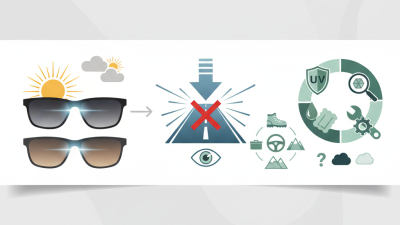
Lens color also matters. Darker lenses don’t automatically filter out UV rays. Some light-colored lenses can provide excellent UV protection as well. Explore gradient lenses, which are darker at the top. They can be stylish and functional for driving or outdoor activities. Don't forget about the wraparound style. It offers more coverage against UV rays.
Ensure that your sunglasses fit well. Areas with gaps can let in harmful rays. Reflect on how often you wear sunglasses. If it’s just during summer, consider year-round use. UV exposure can occur even on cloudy days. Understanding these factors can lead to better eye health. Always prioritize quality over trends.
Additional Tips for Protecting Your Eyes from UV Damage
Protecting your eyes from UV damage is crucial. Research indicates that UV rays can cause significant harm, leading to conditions like cataracts and macular degeneration. According to the World Health Organization, up to 20% of cataract cases are attributable to UV exposure. This highlights the importance of prioritizing eye safety, especially when outdoors.
Wearing UV ray sunglasses is a key measure. Opt for sunglasses that block 100% of both UVA and UVB rays. However, sunglasses alone aren’t enough. Wearing a wide-brimmed hat can offer additional protection. It shields your eyes and face from direct sunlight. Staying in the shade during peak sun hours also reduces exposure to harmful rays.
Routine eye examinations are vital. An eye care professional can monitor UV-related damage over time. They can provide personalized advice on protecting your eyesight. Some studies highlight that using protective eyewear can reduce UV exposure by over 90% on sunny days. Small changes, such as avoiding staring at bright surfaces like water or sand, can also help. It's easy to overlook these practices, but they can make a significant difference in maintaining eye health.
Why Are UV Ray Sunglasses Essential for Eye Protection? - Additional Tips for Protecting Your Eyes from UV Damage
| Dimension |
Details |
| UV Protection Levels |
UV400 lenses block 99-100% of UVA and UVB rays. |
| Lens Types |
Polarized, photochromic, and mirror-coated lenses offer additional protection. |
| Why UV Protection is Important |
Reduces risk of cataracts, macular degeneration, and other eye conditions. |
| Additional Eye Protection Tips |
Wear a hat, seek shade, and limit direct sun exposure, especially during peak hours. |
| Safe Usage Tips |
Choose sunglasses that fit well and are comfortable for extended wear. |