How to Choose the Best Non Polarized Sunglasses for You?
Choosing the right sunglasses can be a daunting task. Non Polarized Sunglasses are often overlooked, yet they offer unique advantages. Jessica Ray, an eyewear expert, emphasizes, "Non polarized options provide true colors." This insight is crucial for anyone looking to enhance their style without compromising on realism.
When selecting Non Polarized Sunglasses, consider lens tint and frame style. The choice of tint can affect comfort and vision clarity. For instance, gray tints reduce brightness while maintaining true color perception. Additionally, frame styles vary widely, catering to personal preferences and face shapes. Each detail contributes to your overall look and comfort.
However, not all Non Polarized Sunglasses are equal. It’s essential to assess quality and consider UV protection. Some cheaper options may lack adequate protection, which can lead to eye strain and discomfort. Reflect on your daily activities and how your sunglasses will fit your lifestyle. This careful consideration ensures you make an informed choice.

Understanding Non-Polarized Sunglasses and Their Benefits
Non-polarized sunglasses are often overlooked for their polarized counterparts, despite offering unique advantages. They do not eliminate reflections but provide clear vision on sunny days. According to the American Academy of Ophthalmology, non-polarized lenses allow for better visibility in low-light situations. This makes them suitable for driving or activities in shaded areas.
When selecting non-polarized sunglasses, consider UV protection. The lenses should block 99% to 100% of UVA and UVB rays. A study from the Vision Council highlights that inadequate UV protection can lead to long-term eye damage. Non-polarized lenses can also provide higher color accuracy, crucial for activities like hiking or cycling.
Tips: Look for lenses that meet UV protection standards. Research indicates that not all sunglasses labeled as “UV protective” meet the necessary criteria. Pay attention to lens tint. Darker tints do not necessarily mean better UV protection. Sometimes less tinted lenses can offer superior visual clarity.
How to Choose the Best Non Polarized Sunglasses for You? - Understanding Non-Polarized Sunglasses and Their Benefits
| Feature |
Description |
Benefit |
| Lens Material |
Polycarbonate or CR-39 |
Lightweight and impact-resistant |
| UV Protection |
100% UV protection |
Protects eyes from harmful rays |
| Lens Color |
Gray, brown, or green |
Enhances contrast and comfort |
| Frame Style |
Full-rim, half-rim, or aviator |
Personalized fit and style |
| Anti-Scratch Coating |
Scratch-resistant finish |
Increases durability |
| Fit |
Wide, narrow or adjustable |
Comfortable for long wear |
Key Factors to Consider When Choosing Non-Polarized Sunglasses
When selecting non-polarized sunglasses, several key factors must be considered.
The lens material plays a critical role in optical clarity and impact resistance.
Polycarbonate lenses are lightweight and shatter-resistant, making them ideal for active lifestyles.
Glass lenses offer superior optical quality but tend to be heavier. According to the American Optometric Association, the right lens can significantly enhance comfort during prolonged wear.
UV protection is essential. Sunglasses should block 100% of UVA and UVB rays. The Skin Cancer Foundation reports that over 90% of skin cancers can be attributed to UV exposure. Not only does this damage skin around the eyes, but it may also lead to eye conditions like cataracts. Look for labels and certifications indicating adequate UV protection.
Color and tint also matter. Lighter tints can distort color perception, while darker shades offer more protection from glare. A study in the Journal of the American Medical Association found that certain tints can improve visual comfort in specific environments, such as driving or sports.
Test different styles and conditions to find the best match for your activities.
Different Frame Styles for Non-Polarized Sunglasses
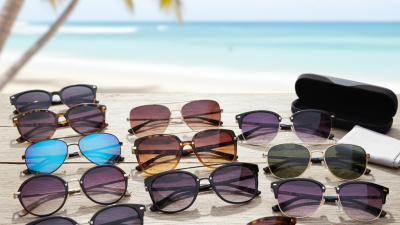
When selecting non-polarized sunglasses, frame style plays a crucial role. There are numerous options that cater to different aesthetics and functionalities. For instance, aviator frames are timeless. Their teardrop shape suits various face types. On the other hand, round frames offer a quirky look. They can balance angular features and add a playful touch.
Another popular choice is wayfarer frames. They are versatile and can enhance both casual and formal outfits. Cat-eye frames, characterized by their upswept edges, bring a vintage flair. Yet, they may not appeal to everyone. It's essential to test different styles to see what feels comfortable and suits your personality.
Material matters too. Plastic frames are lightweight but may not last as long as metal ones. Consider your lifestyle when choosing. Do you need durability or are you looking for something stylish? Sometimes, the decision can be challenging. You might feel torn between aesthetics and practicality. Ultimately, try on different styles to find the best fit for you. Embrace the process of discovering your ideal sunglasses.
Choosing the Best Non-Polarized Sunglasses: Frame Styles Comparison
Lens Colors and Their Impact on Vision and Style
When selecting non-polarized sunglasses, lens color plays a crucial role. Each color offers different benefits and affects your vision in unique ways. For example, gray lenses reduce overall brightness while preserving color perception. They are ideal for those who spend time outdoors.
Brown or amber lenses enhance contrast, making them suited for activities like hiking. They help you identify details in your environment.
Consider the style as well. Lighter colors, like yellow or gold, create a cheerful appearance. However, they may not provide adequate protection in bright sunlight. Darker lenses transmit less light but can obscure details. This trade-off is essential to consider based on your lifestyle. Many people overlook how these colors affect vision and mood.
Wearing mismatched lens colors can lead to discomfort and unforeseen challenges. Reflect on your daily activities and choose accordingly. Each lens hue holds potential benefits, but also limitations. Finding the right balance involves personal choice and careful consideration of your needs. Ultimately, the best lens color is the one that aligns with your visual requirements and personal style.
Finding the Right Fit: Comfort and Size in Sunglasses
Choosing the right fit for sunglasses is essential. Width, temple length, and nose bridge size all matter. A study from the Vision Council shows that approximately 30% of people wear ill-fitting sunglasses. This can lead to discomfort and reduced UV protection. Accurate measurements ensure comfort, which enhances wearability.
When selecting sunglasses, consider the shape of your face. Oval and round faces may suit different styles than square faces. This can significantly impact comfort and aesthetics. According to the American Academy of Ophthalmology, sunglasses should fit snugly on your nose and ears without pinching or slipping.
Tips: Ensure the sunglasses rest comfortably on the bridge of your nose without sliding off. Check for any pressure on your temples. If you feel discomfort, it might indicate the wrong size.
Correct sizing not only provides comfort but also enhances your overall experience. Well-fitting sunglasses encourage longer wear, particularly during hot, sunny days. Remember, you may need to try several pairs before finding the perfect fit. Don't rush; your eyes deserve the best protection.