What is the Best Uv Ray Sunglasses for Outdoor Protection?
When it comes to outdoor activities, protecting your eyes from harmful UV rays is crucial. Dr. Lisa Chen, a leading expert in optical health, emphasizes, "Choosing the right UV ray sunglasses can significantly reduce your risk of vision problems caused by sun exposure." Her words highlight the importance of selecting high-quality sunglasses.
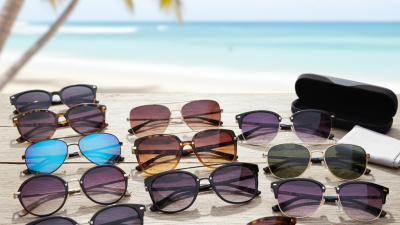
UV ray sunglasses are specifically designed to filter out harmful ultraviolet radiation. This type of protection is essential for people who spend long hours outdoors, whether hiking, biking, or lounging on the beach. Not all sunglasses provide adequate protection, making it vital to understand what to look for.
Many sunglasses on the market claim to block UV rays, but not all live up to expectations. Think about the importance of proper lens quality. Investing in reliable UV ray sunglasses is not merely a fashion choice; it’s a necessity for long-term eye health. Ultimately, everyone should reflect on their current eyewear and consider if they are truly protected.
Understanding UV Rays and Their Impact on Eye Health
Understanding UV rays is essential for eye health. Ultraviolet radiation comes from the sun and artificial sources. There are three types: UVA, UVB, and UVC.
UVA rays penetrate deep into the skin and eyes. They can cause long-term damage, increasing the risk of cataracts and macular degeneration.
UVB rays, while less prevalent, are responsible for sunburn and can also harm eye tissue.
Research by the American Optometric Association highlights that nearly 20% of cataract cases are linked to UV exposure. This suggests the necessity of protective measures when outdoors.
Sunglasses that block 99-100% of UVA and UVB rays are crucial. They are not just fashion accessories; they serve a vital health purpose.
Wider frames can offer additional protection. Wraparound designs help shield your eyes from indirect UV rays, which can bounce off surfaces.
Eye protection seems overlooked. Many reduce sunblock application but neglect sunglasses. A study reported that 40% of adults rarely wear sunglasses outside.
This could be a critical error. Choosing the right sunglasses is not merely a choice; it’s a health necessity. Your eyes deserve protection.
Opt for lenses that meet safety standards. Making informed decisions is vital for long-term eye health.
Key Features to Look for in UV Ray Protective Sunglasses
When choosing sunglasses for outdoor protection, focusing on UV ray protection is essential. Look for lenses that offer 100% UV protection. These lenses block both UVA and UVB rays, which can cause serious damage to your eyes. A proper pair of sunglasses should adhere to these protective standards, ensuring your eyes are shielded from harmful rays.
Consider the lens material as well. Polycarbonate lenses are lightweight and shatter-resistant. They offer a good balance of comfort and durability. Polarized lenses are beneficial for outdoor activities. They reduce glare from surfaces like water and roads, enhancing visual clarity. Yet, not all polarized lenses provide full UV protection. Always check the specifications carefully.
Frame style can also affect your level of protection. Larger lenses provide better coverage. Wraparound styles minimize light entering from the sides. This design aspect is often overlooked, yet it plays a significant role in overall eye safety. Remember that comfort matters too. Sunglasses should fit well without slipping or pinching. Regular adjustments may be necessary to maintain their protective capabilities. Balancing style and functionality is vital for making the right choice.
Top Brands and Models for Effective Outdoor Eye Protection
When choosing sunglasses for outdoor activities, UV protection is essential. High-quality lenses can shield your eyes from harmful rays. Not all lenses offer the same protection, so research is key. Look for sunglasses that provide 100% UV protection. This can help prevent long-term eye damage.
Some brands focus on durable materials and ergonomic designs. These features enhance comfort during extended wear. Polarized lenses can reduce glare, which is beneficial for water or snow sports. Many users report increased visual clarity with polarized options. Color and lens height also impact your experience in bright conditions.
While style matters, prioritize functionality. Don't be swayed by trendy designs alone. Test different models to find a perfect fit. Remember, sunglasses should feel secure and comfortable. It's worth investing time to ensure you have the right pair. A little research can go a long way in protecting your eyes.
What is the Best UV Ray Sunglasses for Outdoor Protection?
| Model |
UV Protection Level |
Lens Type |
Frame Material |
Weight (grams) |
Price ($) |
| Model A |
100% UV Protection |
Polarized |
Plastic |
25 |
120 |
| Model B |
99% UV Protection |
Photochromic |
Metal |
30 |
140 |
| Model C |
100% UV Protection |
Gradient |
Composite |
22 |
110 |
| Model D |
95% UV Protection |
Scratch-resistant |
Nylon |
35 |
130 |
Comparative Analysis of Polarized vs. Non-Polarized Sunglasses
When choosing sunglasses for outdoor protection, the choice between polarized and non-polarized lenses is crucial.
Polarized lenses feature a special filter that blocks intense light waves, reducing glare from surfaces like water or roads. This can greatly enhance visibility and comfort during activities like boating, fishing, or skiing. Users often report a clearer view and less eye strain, especially in bright conditions.
On the other hand, non-polarized sunglasses do not have this filter.
While they provide UV protection, glare remains a problem. Non-polarized lenses may suit individuals who don’t encounter reflective surfaces often. They are typically lighter on the wallet as well, making them appealing for casual wear. However, many find the viewing experience lacking.
Choosing between the two options can be challenging. Think about your activities and environment. Each lens type has its pros and cons. If you spend a lot of time outdoors, polarized lenses may be worth the investment. In contrast, if comfort and budget matter more, non-polarized lenses may suit you better. It's all about striking a balance between protection and practicality.
Tips for Choosing the Right Sunglasses for Different Outdoor Activities
Choosing the right sunglasses can greatly enhance your outdoor experience. Different activities require specific features in shades. For hiking, look for lightweight frames and polarized lenses. Polarized lenses reduce glare from reflective surfaces. This is crucial when trekking near water bodies or bright snow. A snug fit helps keep them in place as you move.
For cycling, consider wrap-around styles. These provide more coverage and protect against wind. Look for models with anti-fog coatings. Foggy lenses can obscure your vision, especially on climbs. If you’re running, choose sunglasses with breathable materials. They should stay put during sprints.
Remember to check the UV protection level. Not all sunglasses block harmful rays equally. Some may only offer minimal protection, which can be insufficient. Reflect on your habits. Are you often in direct sunlight? Evaluate your needs for lens tint and frame durability. Understanding these factors helps you make an informed choice. The right sunglasses can truly enhance your outdoor adventures.