Why Choose Polarized Lens for Your Sunglasses?
When choosing sunglasses, one crucial feature to consider is the Polarized Lens. These lenses are designed to reduce glare, providing clearer vision in bright conditions. Dr. Emily Carter, a renowned optometrist, states, "Polarized lenses can enhance visual comfort and reduce eye strain."
Imagine wearing sunglasses that block out blinding sunlight reflecting off water or pavement. The comfort level is remarkable. However, it’s not perfect. Some people may find that polarized lenses can distort the appearance of digital screens. While they improve outdoor visibility, they may not be ideal for every situation.
Each decision on lens type carries nuances. The choice of polarized lenses can improve your outdoor experience significantly, but personal preferences and activities are essential to consider as well. Do they fit your lifestyle? Finding the right balance can lead to a truly satisfying sunglass experience.
Understanding Polarized Lenses: Definition and Functionality
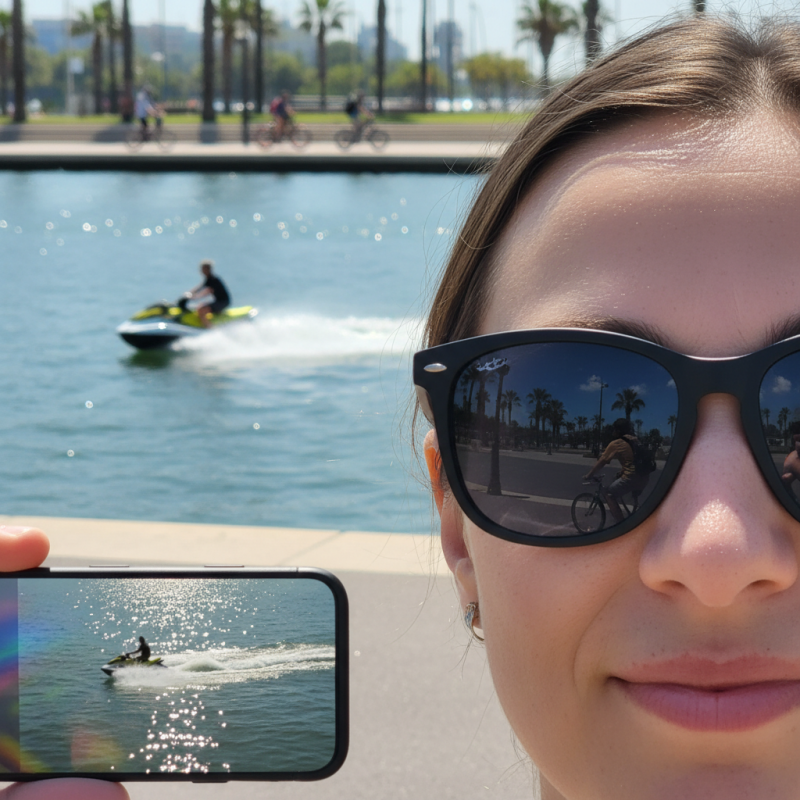
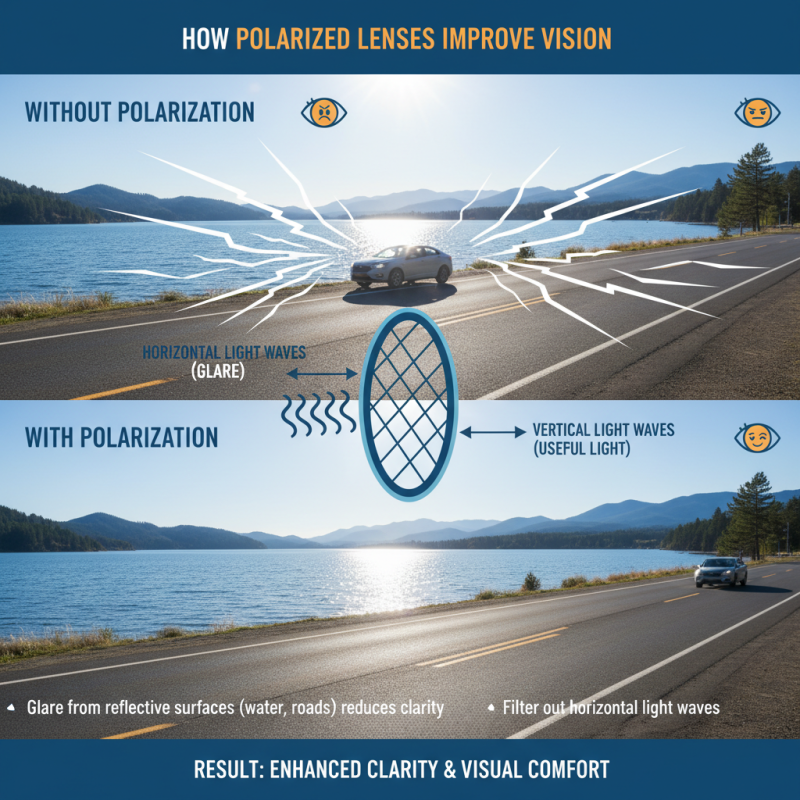
Polarized lenses are designed to reduce glare. They work by filtering out horizontal light waves. This significantly enhances clarity and comfort. When you wear polarized sunglasses, you’ll notice fewer reflections bouncing off surfaces. Whether on water or pavement, glare can be distracting. This is where polarized lenses shine.
Tips: When selecting polarized sunglasses, ensure proper fit. A loose pair won’t provide optimal protection. Additionally, consider wraparound styles for more coverage. These can block peripheral light that might enter from the sides.
The functionality of polarized lenses goes beyond comfort. They can improve color contrast and depth perception. This is particularly beneficial for those involved in outdoor activities. However, not all lenses are created equal. Some polarized lenses may distort vision or create a rainbow effect. This can be a frustrating experience. Hence, it’s vital to choose wisely.
Benefits of Polarized Lenses
Polarized lenses provide several significant benefits that enhance the overall experience of wearing sunglasses. The chart above illustrates the various benefits of polarized lenses and their percentage representation based on user feedback.
The Benefits of Polarized Lenses for Eye Protection
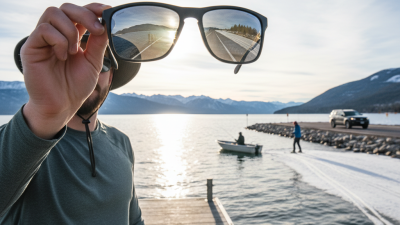
Polarized lenses are a game changer for eye protection. They block harmful glare from reflective surfaces like water, snow, and roads. This feature helps reduce eye strain and fatigue. When driving or engaging in sports, wearing polarized sunglasses enhances visibility. You see colors more vividly and details become clearer.
Many people overlook the importance of proper eye protection. Some assume all sunglasses offer the same benefits. This misconception can lead to poor choices. Polarized lenses reduce glare effectively, but they are just one part of eye safety. Protection from UV rays is crucial too. Sunglasses with proper polarization filter harmful light as well.
Not everyone realizes the everyday hazards of glare. A simple walk on a sunny day can cause squinting. This habit may lead to long-term discomfort. Choosing polarized lenses is about making informed decisions for your eye health. They improve clarity and make outdoor activities more enjoyable. Investing in good eye protection shouldn’t be taken lightly. Consider your options carefully.
How Polarized Lenses Reduce Glare and Improve Vision
Polarized lenses are designed to tackle glare, creating a more comfortable viewing experience. When you’re outdoors, reflections from surfaces like water or roads can become quite distracting. These lenses filter out horizontal light waves, significantly reducing the glare that can hinder vision. This means you can enjoy clearer sights while driving or participating in outdoor activities.
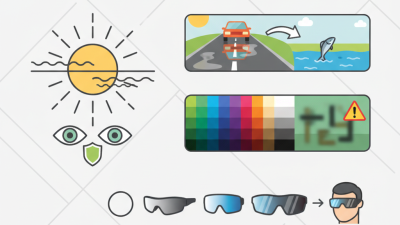
Moreover, the clarity polarization brings can improve depth perception. Activities like fishing or skiing become more enjoyable and safer when you can see below the water's surface or notice steep slopes better. However, it's important to recognize that polarized lenses can sometimes obscure LCD screens. You might find your phone or car dashboard tricky to read at certain angles. It's a good idea to weigh the benefits against potential inconveniences.
Applications of Polarized Lenses in Different Activities
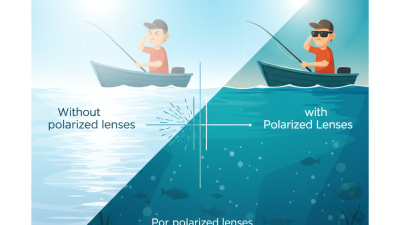
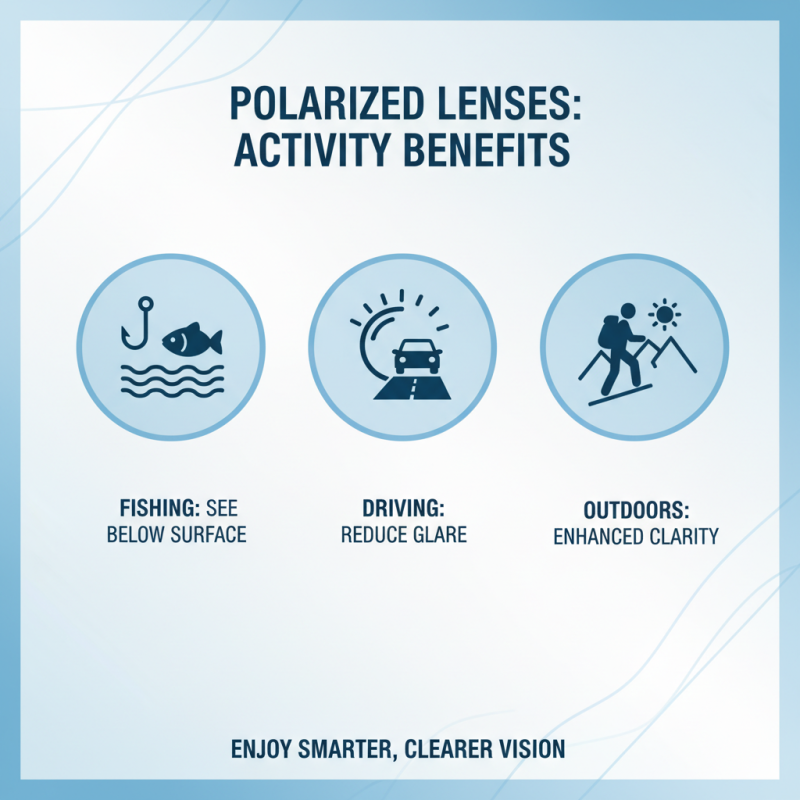
Polarized lenses are an excellent choice for various activities. They reduce glare, making outdoor experiences much more enjoyable. For example, while fishing, polarized lenses help you see beneath the water's surface. This leads to better catches and a more satisfying day on the water.
When skiing, polarized lenses can enhance visibility by eliminating reflections from the snow. This makes navigating slopes safer. They also provide clearer vision during driving, especially on sunny days. However, these lenses can sometimes obscure digital screens. It’s important to consider the activity before choosing polarized sunglasses.
In activities like cycling, polarized lenses create sharp contrast and clarity. They allow cyclists to see potholes and uneven terrain easily. However, they might not be ideal for every scenario. Some users may find them too dark in low-light conditions. Reflecting on these points can help consumers make informed decisions about their eyewear.
Choosing the Right Polarized Sunglasses for Your Needs
Choosing the right polarized sunglasses can significantly enhance your outdoor experience. Polarized lenses reduce glare, making them great for activities like fishing or driving. They help you see more clearly in bright conditions. However, not all polarized sunglasses are created equal. Consider the lens color, as it affects visibility and contrast. Gray lenses are versatile, while brown or amber options enhance depth perception.
Think about your lifestyle. Do you spend more time near water or in the mountains? Think about the level of UV protection too. Look for sunglasses that block 100% of UVA and UVB rays. This is crucial for eye health. Also, reflect on how often you lose or scratch your sunglasses. If that's a common issue, it might be wise to opt for a more durable pair.
Lastly, try them on. Comfort is key. Check that they fit well and don't slide down your nose. While many people focus on style, wearing sunglasses that protect your eyes should be the priority. You can always find a balance between function and fashion. Your choices reflect your needs, so take time to make an informed decision.
Why Choose Polarized Lens for Your Sunglasses? - Choosing the Right Polarized Sunglasses for Your Needs
| Feature |
Benefits |
Ideal For |
| Glare Reduction |
Reduces eye strain and enhances comfort |
Water sports, driving |
| UV Protection |
Blocks harmful UV rays |
Outdoor activities, daily wear |
| Enhanced Contrast |
Improves visibility in bright conditions |
Fishing, golfing |
| Color Perception |
Allows for more accurate color identification |
Cycling, hiking |
| Durability |
Resistant to scratching and impacts |
Active lifestyles, sports |