Top Quality Sun Protection Glasses for Global Buyers?
In today's world, sun protection glasses are essential for many people. They safeguard our eyes from harmful UV rays while offering stylish options. Buyers across the globe seek high-quality eyewear that combines functionality and aesthetic appeal.
The demand for effective sun protection glasses has surged. Consumers are looking for brands that prioritize both protection and design. This trend reflects a growing awareness of eye health. However, not all options on the market deliver the promised benefits. It can be challenging to differentiate between genuine quality and mere marketing.
Many buyers face the dilemma of choosing the right product. There is a myriad of choices, each claiming to provide optimal protection. Yet, how do we ensure reliability? Researching material quality and UV protection levels is crucial. Real user experiences can guide potential buyers, highlighting trusted brands. Ultimately, investing in worthy sun protection glasses leads to better eye safety and comfort.
Understanding the Importance of Sun Protection Glasses
Sun protection glasses are essential for everyone. They shield our eyes from harmful UV rays. Prolonged exposure can lead to serious issues like cataracts and macular degeneration. The risk is higher in summer and at higher altitudes. Many overlook this danger, thinking it only affects skin.
Choosing the right pair involves understanding lens quality. Not all sunglasses provide adequate protection. Look for lenses labeled as UV400, which blocks 100% of UVA and UVB rays. Darker lenses do not always mean greater protection. Some may even distort colors, leading to poor visibility.
People often prioritize style over function. Fashionable frames can be tempting, but comfort and protection matter more. Make sure they fit snugly without causing pressure. Don't hesitate to invest in high-quality options. Your eyes deserve the best care, even if that means a higher price tag. Actual risk lies in negligence. Protecting your eyes is a reflection of self-care.
Key Features to Look for in Quality Sun Protection Glasses
When choosing sun protection glasses, several key features are essential. Look for lenses that provide 100% UV protection. This is crucial for safeguarding your eyes from harmful rays. Not all sunglasses offer the same level of protection, so examining the specifications is vital. Polarized lenses can reduce glare. This feature enhances vision clarity, especially during outdoor activities.
Comfort is another important aspect. Choose glasses that fit well and are not too tight. A proper fit prevents discomfort during extended wear. Lightweight materials can enhance your experience. The design should also consider the shape of your face. A good fit can influence the level of coverage and protection provided.
Consider the durability of the frames. High-quality materials will withstand daily wear and tear. However, take note that even premium glasses can break or scratch. Regular checks for signs of damage are necessary. Often, people overlook such maintenance. Ensuring your glasses remain effective requires ongoing attention. Your eyes deserve the best protection, so invest time in selecting wisely.
Top Brands for Sun Protection Glasses in the Global Market
Finding the right sun protection glasses can be overwhelming. The market is flooded with various options. However, certain brands stand out due to their commitment to quality and performance. They focus on advanced lens technology that offers superior UV protection. Consumers seeking reliability should consider these options.
Features like polarized lenses help to reduce glare, making outdoor activities safer. Look for glasses that offer scratch-resistant coatings. This ensures longevity, even with daily wear. Many trusted brands also emphasize comfort. Lightweight materials can make a significant difference during extended use.
Yet, not all brands meet the highest standards. Some may sacrifice quality for style. Research and reviews are essential to avoid pitfalls. Personal experiences shared online sometimes reveal hidden issues. Therefore, engaging with a community of sun protection enthusiasts can provide valuable insights.
Comparative Analysis of UV Protection Standards Worldwide
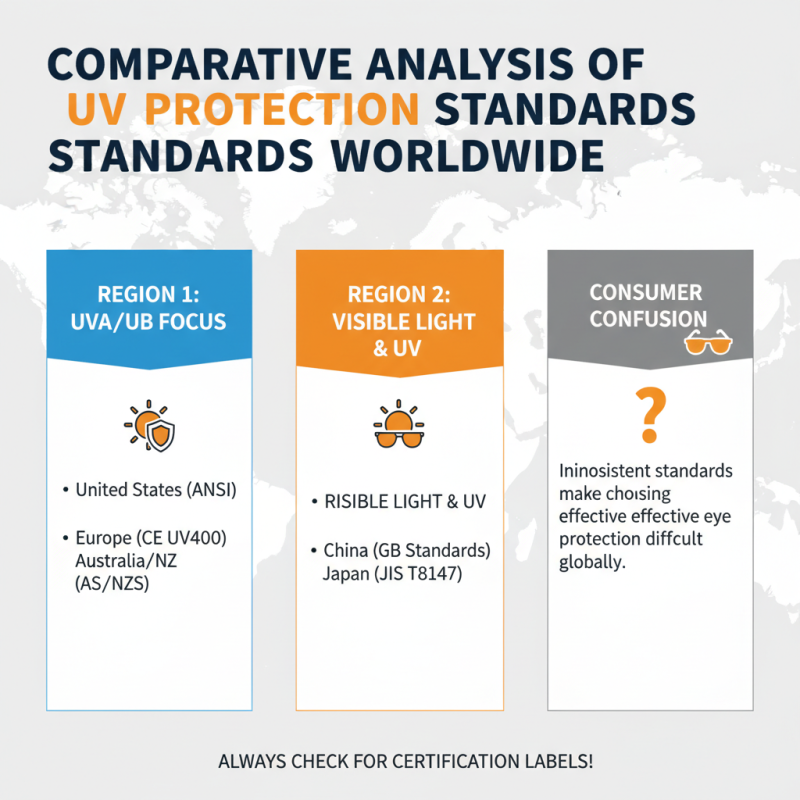
When choosing sun protection glasses, understanding UV protection standards is crucial. These standards vary significantly across countries. For instance, some regions focus on UVA and UVB protection, while others emphasize visible light filtration. This inconsistency can confuse consumers seeking effective eye protection.
Various countries have established their own UV protection certifications. The American National Standards Institute (ANSI) sets stringent guidelines for UV blocking. Meanwhile, European directives offer different levels of certification. Many buyers may not fully grasp these standards, leading to potential risks when selecting glasses. UV exposure can cause long-term eye damage, making informed choices essential.
Despite advancements, consumers should remain cautious. Not all sunglasses labeled with high UV protection meet the necessary criteria. Some lack thorough testing. It's important for buyers to seek reliable information. Checking for third-party testing can offer reassurance. This reflective practice empowers consumers to prioritize their eye health effectively.
Tips for Choosing Sunglasses for Different Outdoor Activities
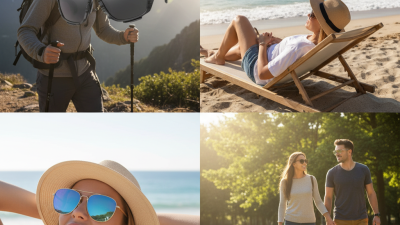
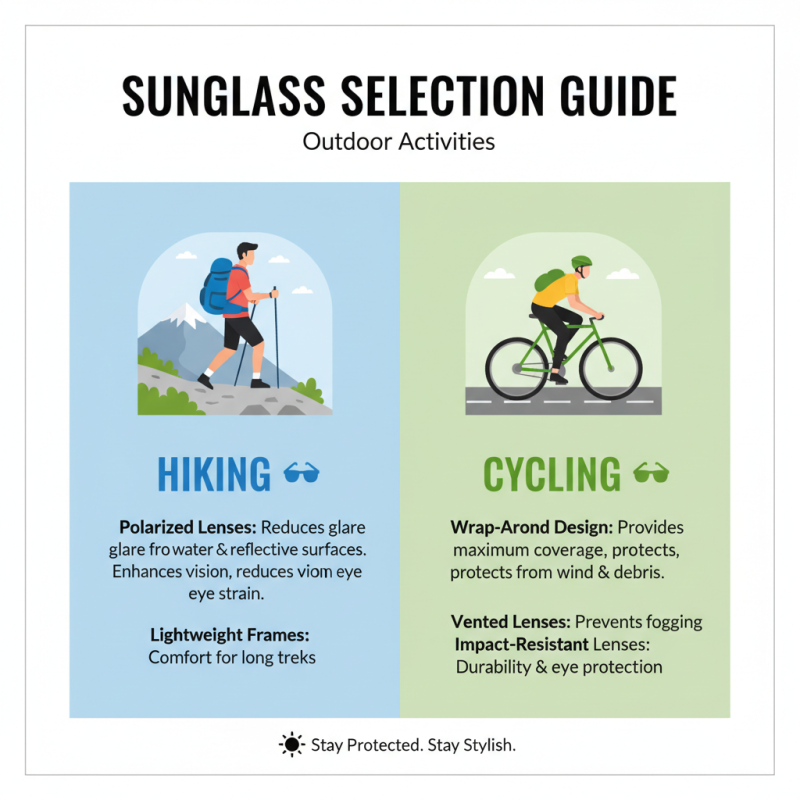
When choosing sunglasses for different outdoor activities, it's essential to consider both style and functionality. For hiking, opt for polarized lenses that reduce glare from water and reflective surfaces. This feature helps enhance your vision and reduces eye strain. Look for lightweight frames to ensure comfort during long treks.
For cycling, prioritize wrap-around styles. These provide extra coverage and protect your eyes from the wind and debris. Ventilation is crucial as well; consider glasses with perforated designs to minimize fogging. However, be aware that you may need to sacrifice fashion for practicality here.
When attending beach outings, choose sunglasses with a high UV rating. The sun's reflection off the water can be intense. It might be tempting to go for trendy silhouettes, but if they lack proper protection, you might regret the choice later. Reflective lenses can also help in these environments. In all cases, ensure the fit is secure. Ill-fitting sunglasses can slip off or hurt, reducing your enjoyment of the activity.