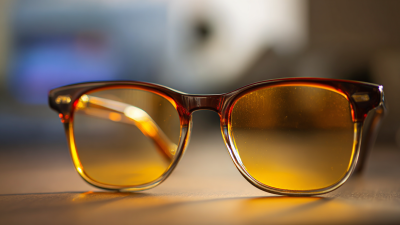
2025 Top 10 Prescription Lenses for Clear Vision and Comfort
In an era where clarity of vision and comfort are paramount, choosing the right prescription lenses has become more critical than ever. As we look ahead to 2025, advancements in lens technology are reshaping the way we experience sight, making it possible to tailor solutions that meet individual lifestyle needs. The right prescription lenses can dramatically enhance both visual acuity and overall comfort, allowing users to navigate their daily lives with ease.
This article explores the top 10 prescription lenses anticipated for 2025, highlighting innovative features and designs that prioritize both functionality and aesthetics. From progressive lenses that adapt seamlessly between different viewing distances to blue light-blocking options crucial for our digital age, each lens type offers unique benefits. As we delve into these groundbreaking options, we aim to provide valuable insights to help you make informed choices about your eyewear, ensuring you achieve not just clear vision but the utmost comfort as well.
Top Innovations in Prescription Lens Technology for 2025
As we look ahead to 2025, prescription lens technology is witnessing groundbreaking innovations that promise to enhance both clarity and comfort for wearers. Recent showcases, such as the Universe Optical event at MIDO Milan, highlight advancements that emphasize not only precision in vision correction but also the integration of smart features. These developments are revolutionizing how users experience their lenses, making them adaptable to various environments and activities.
In addition to traditional enhancements, the rise of blue light glasses and smart eyewear signifies a shift towards lenses that cater to modern lifestyles. With a growing understanding of the impact of screen time on eye health, the production of advanced blue light filtering lenses is on the rise. These innovations aim to reduce eye strain, suggesting a future where prescription lenses are integral to maintaining overall well-being. As we embrace the year of innovation, the opportunities to improve vision comfort are more exciting than ever.
Essential Features for Enhanced Comfort in Prescription Lenses
When selecting prescription lenses for optimal vision and comfort in 2025, it's essential to consider features that enhance the overall wearing experience. Look for lenses with anti-reflective coatings that reduce glare and improve clarity, particularly for tasks like driving or using digital devices. Additionally, lenses with impact resistance can provide safety and durability for active lifestyles.
Tips: Always ensure your prescription is up-to-date before making a purchase, as this can significantly affect your overall comfort and visual acuity. Another crucial feature to consider is lens tint; polarized options can dramatically enhance vision in bright conditions and reduce eye strain.
Moreover, lens materials play a vital role in comfort. Lightweight polycarbonate lenses are ideal for those prone to discomfort, as they reduce the pressure on your nose and temples. Talk to your eye care professional about the best options for your specific needs, especially if you engage in sports or outdoor activities. Thoughtful consideration of these features will lead you to the best prescription lenses for clear vision and comfort.
Comparing Lens Materials: Which Offers the Best Vision Clarity?
When considering prescription lenses for optimal vision clarity, the material used plays a critical role in performance and comfort. The most common materials include plastic (CR-39), polycarbonate, high-index plastic, and Trivex.
According to the Vision Council, polycarbonate lenses are particularly popular due to their lightweight nature and superior resistance to impact, making them an ideal choice for active lifestyles. In fact, studies indicate that polycarbonate lenses reduce the risk of eye injury by up to 30% compared to traditional plastic lenses.
High-index plastic lenses, which can be up to 50% thinner than standard lenses, offer excellent vision correction for strong prescriptions while minimizing the "coke bottle" effect. A report by the American Optometric Association highlights that these lenses can enhance visual clarity significantly for those who require strong corrective measures.
Additionally, Trivex, a newer lens material, combines the advantages of polycarbonate and high-index plastics—providing both clarity and impact resistance. This material has gained traction among eyecare professionals, who cite its superior optical performance and lightweight design.
Ultimately, selecting the right lens material is essential not just for comfort but also for achieving the best possible vision clarity. With advancements in lens technology, consumers now have a better understanding of how different materials impact their eyewear experience, enabling them to make informed choices tailored to their individual needs.
Trends in Prescription Lens Designs for Diverse Lifestyles
In 2025, the prescription lens industry is witnessing a remarkable shift in design trends aimed at accommodating diverse lifestyles. Advances in technology and an increased understanding of user needs have led to the development of innovative lens options that prioritize both clarity and comfort. According to a recent report by Grand View Research, the global prescription eyewear market is projected to reach $46.8 billion by 2026, driven by rising consumer awareness and the growing prevalence of vision problems. This surge underscores the importance of tailored lens solutions for different demographic groups.
One of the most significant trends is the rise of personalized digital lenses. These lenses, specifically designed to reduce eye strain from prolonged screen time, incorporate advanced blue light filtering technology and anti-reflective coatings. A study published in the Journal of Optometry revealed that over 60% of adults experience digital eye strain, prompting many to seek specialized lenses that enhance comfort without compromising visual clarity. Additionally, the demand for photochromic lenses is on the rise, as they provide adaptability for those transitioning between indoor and outdoor environments. As these trends evolve, it becomes clear that prescription lenses are not just corrective devices but essential tools for maintaining visual health in a fast-paced, technology-driven world.
2025 Top 10 Prescription Lenses for Clear Vision and Comfort
This chart represents the most popular types of prescription lenses preferred by users in 2025, based on comfort and clarity. The data reflects the percentage of users who reported satisfaction with each lens type.
User Reviews: The Most Recommended Prescription Lenses of 2025
The demand for high-quality prescription lenses has surged as consumers prioritize both clarity and comfort in their vision correction solutions. According to a recent industry report by Grand View Research, the global prescription eyewear market is expected to reach $170 billion by 2025, highlighting an increasing interest in innovative lens technology. User reviews play a pivotal role in this market, with options like progressive lenses and blue light-blocking coatings gaining prominence among users seeking enhanced visual comfort throughout their daily activities.
Among the top-rated lenses for 2025, users have consistently recommended products that not only provide clear vision but also address specific needs, such as anti-fatigue and glare reduction. In a survey conducted by Vision Council, over 65% of respondents indicated that they experienced eye strain while using digital devices, leading many to opt for specialized blue light filtering lenses. This feedback underlines the importance of lenses designed for modern challenges, making user-centric innovations a key focus for manufacturers in the coming years.