Top Tips for Choosing Photochromic Gray Lenses for Your Needs?
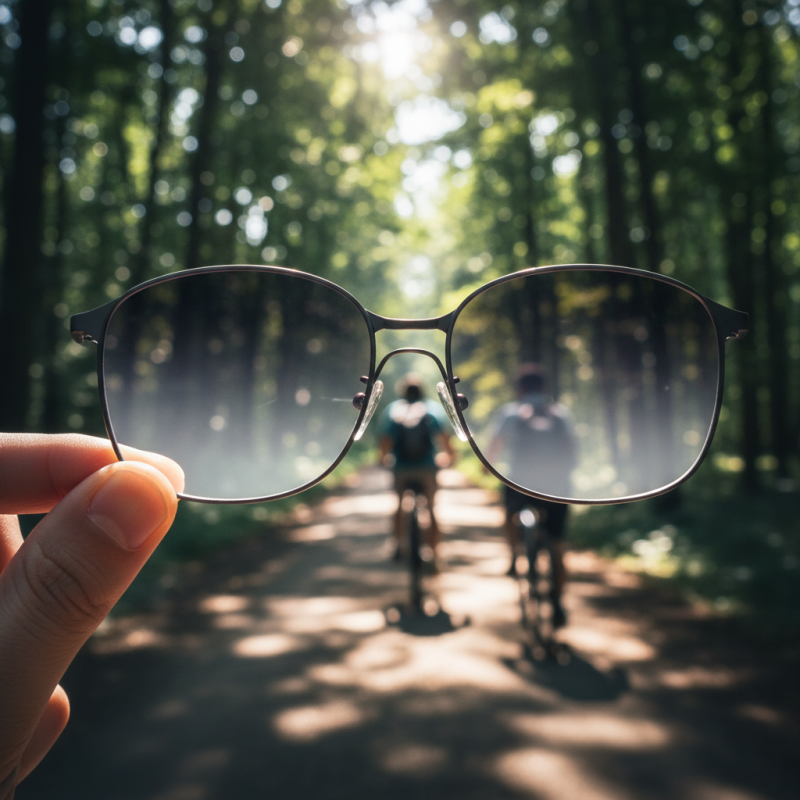
Choosing the right eyewear can be challenging, particularly when it comes to lenses. Photochromic gray lenses have gained popularity for their versatility. They adapt to varying light conditions, offering comfort and protection. But how do you select the perfect pair?
Consider your lifestyle. Photochromic gray lenses are ideal for outdoor enthusiasts and commuters. They quickly change from clear to dark, providing excellent UV protection. However, some users might find the transition time slow under certain conditions. This can be frustrating for those who frequently move between indoor and outdoor spaces.
Quality matters. Investing in high-quality photochromic gray lenses can enhance your visual experience. Look for reputable brands that prioritize clarity and durability. Be cautious of cheaper options, as they may not provide the expected benefits. Remember, your eyes deserve the best care possible.
Understanding Photochromic Gray Lenses and Their Benefits
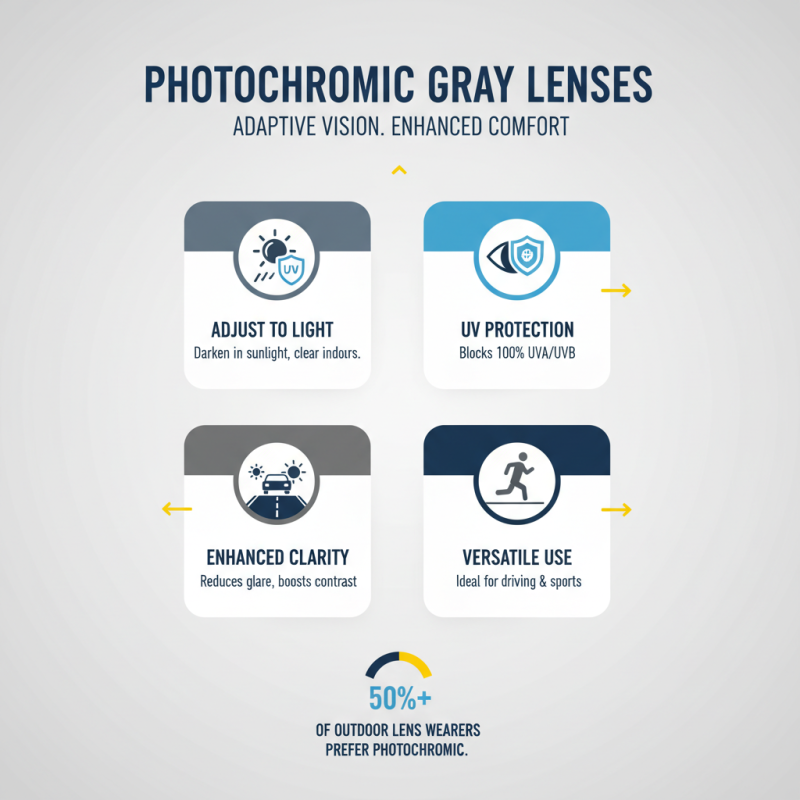
Photochromic gray lenses are a popular choice for many eyewear users. These lenses adjust to changing light conditions, providing optimal protection and comfort. Research indicates that over 50% of lens wearers prefer photochromic versions for outdoor activities. The lenses block harmful UV rays while enhancing contrast, making them ideal for driving and outdoor sports.
When selecting photochromic gray lenses, consider the transition speed. Some lenses react faster to light changes. This can reduce eye strain in variable lighting conditions. Look for lenses with a higher level of UV protection. This is crucial for maintaining long-term eye health.
Choosing the right tint is also important. Gray lenses offer true color perception. However, not all gray lenses are created equal. You may notice variations in darkness or response depending on the lens technology. It’s vital to try different options to find the best fit for your lifestyle and preferences. Be open to refining your choices as you experience different lighting situations.
Factors to Consider When Choosing Photochromic Lenses
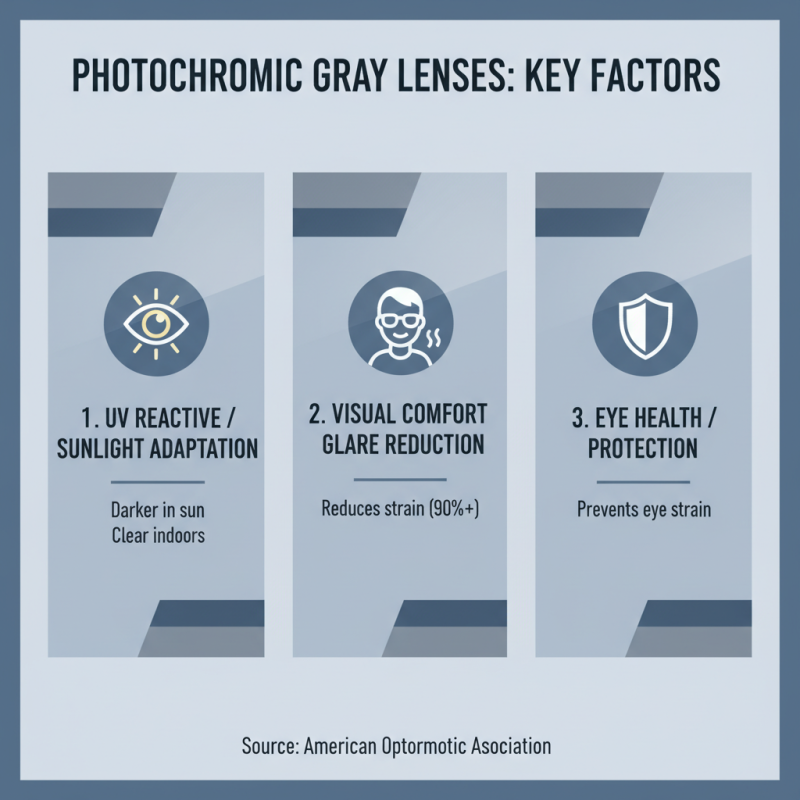
Choosing photochromic gray lenses involves several crucial factors. Comfort and functionality should be top of mind. According to a report from the American Optometric Association, 20% of people experience eye strain outdoors without proper lenses. Photochromic lenses react to UV light, making them darker in sunlight. This transition can enhance visual comfort, reducing glare by almost 90%.
Another important aspect is the lens material. High-index lenses are lighter and thinner, perfect for strong prescriptions. Research shows that patients prefer the aesthetics of lighter lenses, affecting more than 70% of lens selection. Additionally, ensure that your lenses have proper UV protection. The Skin Cancer Foundation states that up to 10% of UV radiation reaches the eyes without adequate protection.
Durability is also a key consideration. Look for lenses that resist scratches and offer anti-reflective coatings. These coatings can improve clarity and reduce reflections, an often overlooked detail. Reflect on how often you'll be using them. Daily activities might demand more robust features. Choosing the right photochromic lenses can greatly impact your visual experience.
Comparison of Different Photochromic Lens Options
When selecting photochromic gray lenses, you must explore several options. Different lenses react differently to light. Some darken quickly, while others might take longer. You should consider your typical environment. If you frequently transition from indoors to bright sunlight, a quicker response time is essential.
The materials used in photochromic lenses vary significantly. Some lenses are made from polycarbonate, known for its durability. Others are glass, which offers superior optical clarity but is heavier. You may also find options with anti-reflective coatings that enhance visibility. Each material has pros and cons. Sometimes, it's hard to determine which is best for you without testing.
Budget is another crucial factor. Some photochromic lenses come at a premium price. However, many reliable options are available at lower costs. Balancing quality with affordability is vital. It’s also worth noting that not every lens suits every face shape. Trying on different pairs can feel overwhelming, but it’s necessary for comfort. Your choices can seem infinite, evoking moments of confusion. Take your time to find the perfect match.
How to Properly Care for Your Photochromic Gray Lenses
Photochromic gray lenses are popular for their versatility. However, proper care is essential to maintain their functionality and aesthetic appeal. According to a report by the American Optometric Association, nearly 30% of lens wearers don’t know how to clean them properly. This lack of knowledge can lead to scratches and reduced effectiveness. It’s crucial to use a microfiber cloth rather than rough materials. This simple step can extend the life of your lenses significantly.
When storing photochromic lenses, avoid extreme temperatures. Excessive heat can alter the chemical properties in the lenses, reducing their effectiveness. Research shows that improper storage can diminish the photochromic response by up to 20%. Regular inspections for dirt and smudges are vital, too. Even minor debris can affect clarity. If scratches appear, consult a professional rather than attempting DIY fixes, which may worsen the issue.
Regular maintenance is key to optimal performance. Rinsing lenses under lukewarm water before cleaning can remove larger debris. Experts recommend avoiding household cleaners. Some contain chemicals that can damage the lens coating. By implementing these care strategies, you can enjoy the full benefits of your photochromic gray lenses.
Common Misconceptions About Photochromic Lenses
Photochromic lenses are often misunderstood. Many people believe they only darken in sunlight. In reality, these lenses adapt to varying light conditions. They provide protection indoors as well. This versatility makes them appealing, yet some myths persist.
One common misconception is that photochromic lenses do not work well in vehicles. However, they may not respond adequately in cars with UV protection. This can lead users to doubt their effectiveness. Also, some think these lenses will change quickly. The truth is, factors like temperature affect the speed of transition. People might find this unexpected.
Another topic of confusion involves color options. Many believe gray is the only choice. In fact, various tint levels exist. Those seeking a specific look can find suitable shades. Yet, people sometimes overlook these alternatives in their decision-making. Each type of lens has unique features and may fit differently. Without proper understanding, individuals risk making uninformed choices.
Top Tips for Choosing Photochromic Gray Lenses for Your Needs
| Feature |
Description |
Common Misconceptions |
| Light Adaptation |
Lenses darken in response to UV light. |
They don't work effectively indoors. |
| Tint Levels |
Available in different shades of gray. |
All lenses are the same tint level. |
| UV Protection |
Provides 100% UVA and UVB protection. |
Photochromic lenses do not provide UV protection. |
| Speed of Activation |
Lenses activate and fade back relatively quickly. |
They take a long time to change outdoors and indoors. |
| Durability |
Designed to withstand everyday wear and tear. |
They scratch easily and don't last long. |