What is Polycarbonate Lenses and Why are They Important?
Polycarbonate lenses are gaining popularity in eyewear for several compelling reasons. Dr. Jane Roberts, a leading expert in optical science, emphasizes their importance: “Polycarbonate lenses are not only lightweight but also highly impact-resistant.” This feature makes them ideal for active lifestyles, ensuring safety without sacrificing comfort.
These lenses offer a unique combination of durability and clarity. They are thinner than traditional plastic lenses, which can enhance aesthetic appeal. However, not everyone is aware of their proper care requirements. Some users struggle with scratches and haze over time. This reality prompts a need for education about maintaining polycarbonate lenses.
The versatility of polycarbonate lenses extends beyond everyday glasses. They are essential in sports eyewear and protective goggles, often overlooked by consumers. Awareness of their benefits and limitations is key. As we explore the significance of polycarbonate lenses, we must consider both their advantages and the challenges that come with them.
Definition of Polycarbonate Lenses and Their Composition
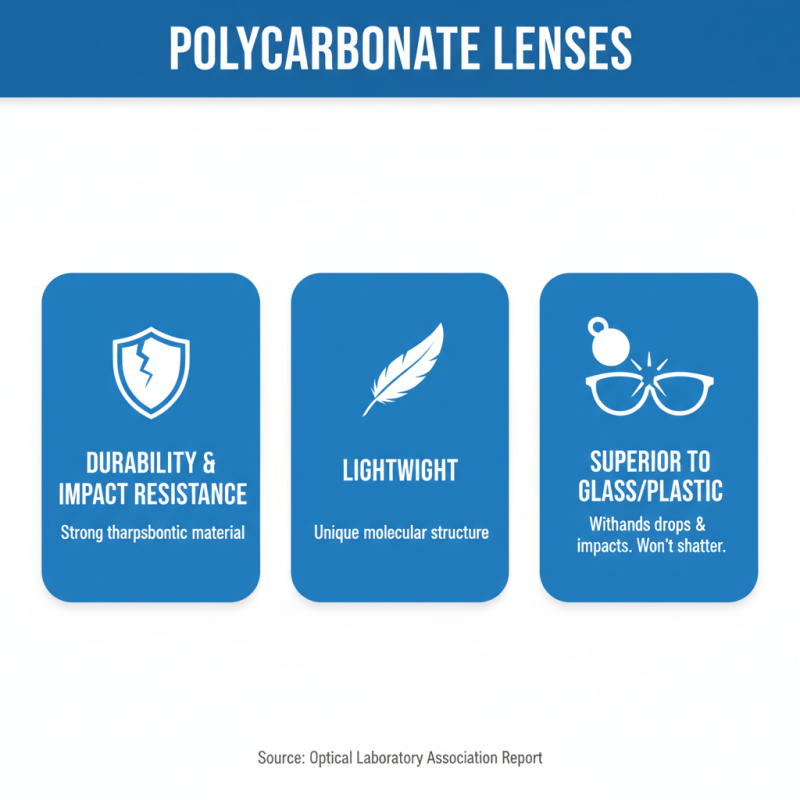
Polycarbonate lenses are a type of optical lens known for their durability and impact resistance. Made from a strong thermoplastic material, polycarbonate lenses contain unique molecular structures that make them lightweight yet exceptionally tough. According to a report by the Optical Laboratory Association, polycarbonate lenses can withstand drops and impacts that would shatter conventional glass or plastic lenses.
The composition of polycarbonate involves a blend of bisphenol A (BPA) and carbonate groups. This mixture not only contributes to its strength but also ensures clarity and UV protection. Reports indicate that polycarbonate lenses block up to 99% of harmful UV rays, which is vital for eye health. However, while these lenses are highly effective, there are concerns regarding their scratch resistance. Often, a special coating is required to enhance durability. This necessity can be a downside for some users, as coatings may wear off over time.
With a growing demand for lightweight eyewear, polycarbonate lenses are becoming increasingly popular. Industry analysts suggest that demand could rise by 15% annually. This trend highlights the importance of ongoing research into improving polycarbonate's properties, such as scratch resistance and optical clarity. As innovations emerge, the future of polycarbonate lenses will likely evolve to meet consumer needs better.
Historical Development and Innovations in Polycarbonate Lens Technology
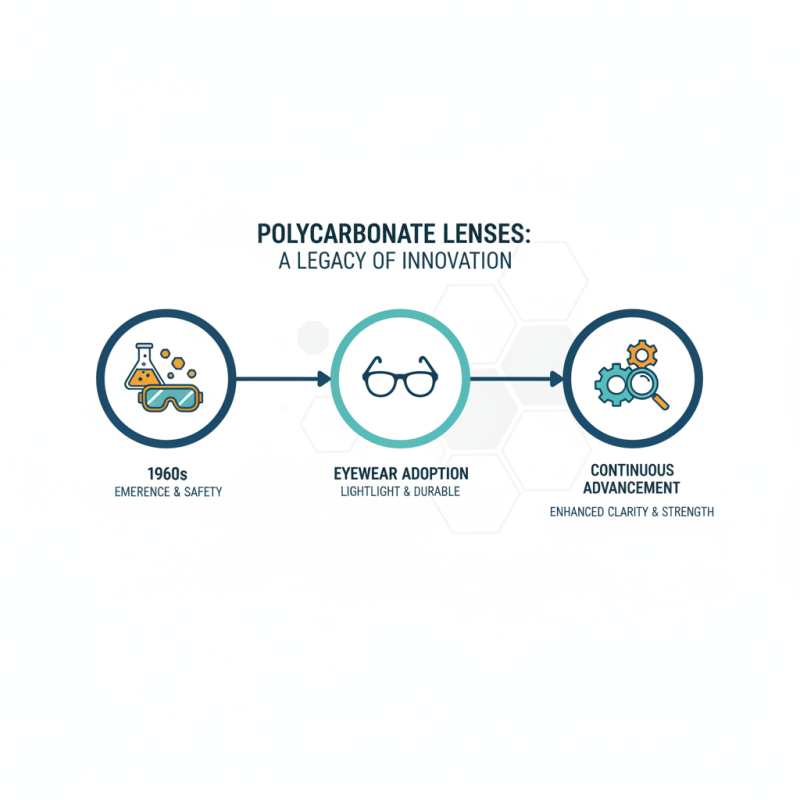
Polycarbonate lenses have a vibrant history that reflects ongoing innovation. In the 1960s, these lenses emerged from the laboratory. Originally designed for safety, they quickly proved their worth in various applications. Their lightweight nature made them ideal for eyewear. Over time, advancements in technology enhanced their durability and clarity.
The introduction of anti-scratch and UV protection further elevated their popularity. Yet, challenges persist. Not all users appreciate the lens's reflective properties. Some report issues with glare in bright conditions. Despite these quirks, polycarbonate lenses remain a preferred choice for many. Their ability to withstand impact has made them significant in sports and safety eyewear markets.
Innovation continues to shape polycarbonate lens technology. New coatings offer improved vision and protection. However, not all innovations hit the mark. Some coatings can make lenses appear cloudy. This raises concerns among consumers. Each advancement brings a blend of excitement and skepticism. As researchers push boundaries, the future of polycarbonate lenses looks promising yet imperfect.
Advantages of Using Polycarbonate Lenses for Eyewear
Polycarbonate lenses are a popular choice for eyewear due to their unique characteristics. They are lightweight yet extremely strong. This makes them ideal for everyday use. Many people find them comfortable to wear for long hours. Also, they offer excellent impact resistance. For active individuals or those with children, this feature is crucial.
In addition to durability, polycarbonate lenses provide UV protection. They shield your eyes from harmful rays. This is especially important for those who spend time outdoors. The clarity of vision they offer is impressive as well. However, some users might notice scratches over time. Regular maintenance can help combat this issue. Generally, they strike a good balance between functionality and comfort. The choice of polycarbonate lenses can enhance both style and safety in eyewear choices.
Advantages of Using Polycarbonate Lenses for Eyewear
Applications of Polycarbonate Lenses in Various Industries
Polycarbonate lenses are lightweight and durable. They have become essential in various industries due to their remarkable properties. One key application is in eyewear. These lenses are impact-resistant, making them ideal for safety glasses. Many people prefer them for everyday wear as well.
In the automotive industry, polycarbonate lenses offer clarity and protection. They can be found in headlamps and safety shields. A notable advantage is their ability to withstand harsh conditions. However, while they are durable, they can scratch easily. Regular maintenance is crucial to keep them clear.
In the sports industry, these lenses are popular for goggles and visors. Their flexibility allows athletes to perform without worry. However, athletes should be cautious when choosing their eyewear. Not all polycarbonate lenses are created equal. Choose options with anti-fog and scratch-resistant coatings. This simple step can enhance performance. Always check for the right fit to ensure comfort.
What is Polycarbonate Lenses and Why are They Important? - Applications of Polycarbonate Lenses in Various Industries
| Application Area |
Industry |
Benefits |
Common Uses |
| Eyewear |
Optical |
Impact resistant, lightweight |
Glasses, safety goggles |
| Automotive |
Transportation |
Shatterproof, UV protection |
Headlight lenses, sunroofs |
| Electronics |
Consumer Goods |
Durable, lightweight |
Screens, protective covers |
| Medical |
Healthcare |
Biocompatible, sterilizable |
Surgical lenses, protective eyewear |
| Building & Construction |
Construction |
Lightweight, insulating |
Skylights, window glazing |
Comparison of Polycarbonate Lenses with Other Lens Materials
Polycarbonate lenses are known for their toughness and lightness. They offer superior impact resistance compared to regular plastic lenses. This makes them a popular choice for safety eyewear and sports glasses. They are also thinner than standard lenses, which is a great advantage for those needing strong prescriptions.
When comparing polycarbonate lenses to glass lenses, polycarbonate wins for durability. Glass can shatter easily, posing a risk. However, some may prefer glass for its optical clarity. Another option is high-index plastic, which is also lightweight. Each material has unique benefits and downsides.
Tips: Consider your lifestyle when choosing lenses. If you're active, polycarbonate is ideal. Think about your prescriptions too. The wrong material might cause discomfort. Reflect on how often you wear glasses. This can influence your lens choice.