What is Non Polarized Sunglasses and How Do They Work?
Non Polarized Sunglasses are a common choice for many. While they provide basic eye protection from UV rays, they lack specific features found in polarized lenses. Dr. Emily Carter, a renowned optometrist, once stated, "Non Polarized Sunglasses can shield your eyes from sunlight, but they don't reduce glare." This highlights a key limitation of non polarized options.
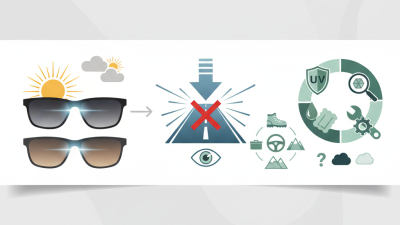
These sunglasses work by simply tinting the lenses. The tint may help cut down brightness, but it does not eliminate reflected glare. This is especially noticeable near water or on bright roads. Many wearers may notice eye strain after extended use, as these lenses only provide partial protection.
People might think they are enough for casual wear, but they often fall short in outdoor settings. As Dr. Carter points out, many users might regret not opting for polarized sunglasses. Non Polarized Sunglasses serve a basic purpose but can leave users wanting more in terms of visual clarity and comfort.
Understanding Non-Polarized Sunglasses: A Comprehensive Overview
Non-polarized sunglasses are a popular choice for many outdoor enthusiasts. They are designed to reduce glare, but not in the same way as polarized lenses do. Instead of filtering light from specific angles, non-polarized sunglasses simply reduce brightness. This can make them suitable for activities like casual driving or walking in the sun. However, they may not be ideal for fishing or skiing, where glare reduction is crucial.
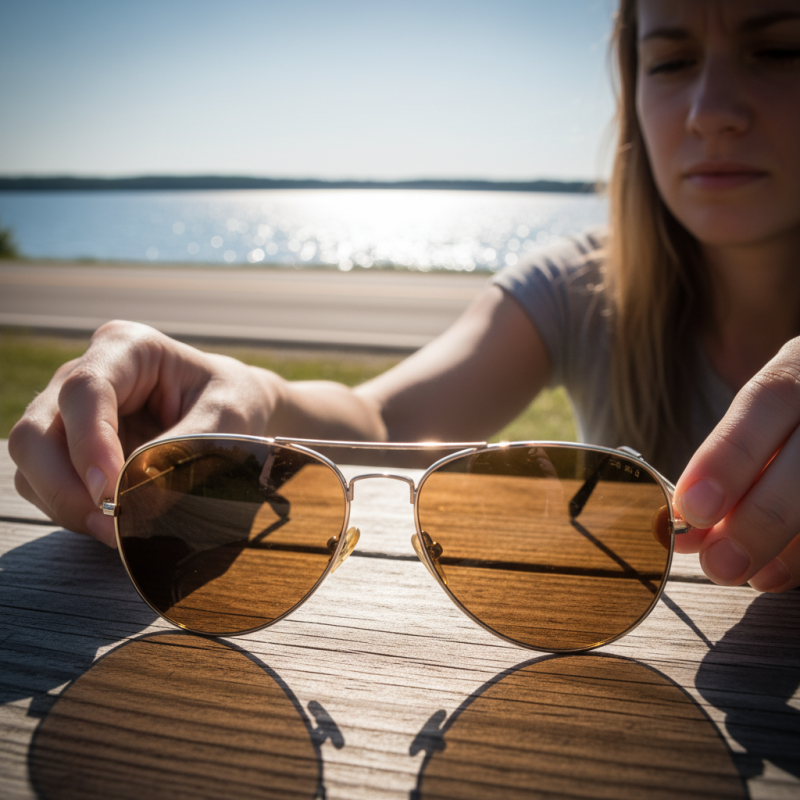
The lenses in non-polarized sunglasses are usually tinted or colored. This tint can enhance contrast, making objects appear more defined. For instance, brown-tinted lenses can improve depth perception. Yet, the lack of polarization means they won't eliminate blinding reflections from surfaces like water or snow. Some people might find themselves squinting more often when wearing these sunglasses.
Choosing non-polarized sunglasses depends on your needs. While they are generally more affordable, their effectiveness in bright conditions can be limited. The comfort they provide is undeniable, especially for short-term wear. Some wearers may appreciate the classic look of non-polarized sunglasses, even if they miss out on the glare reduction benefits. It's essential to weigh what type of activity you'll be doing and assess your environment carefully.
Understanding Non-Polarized Sunglasses: UV Protection Levels
The Basic Principles of Light and Sunglasses Functionality
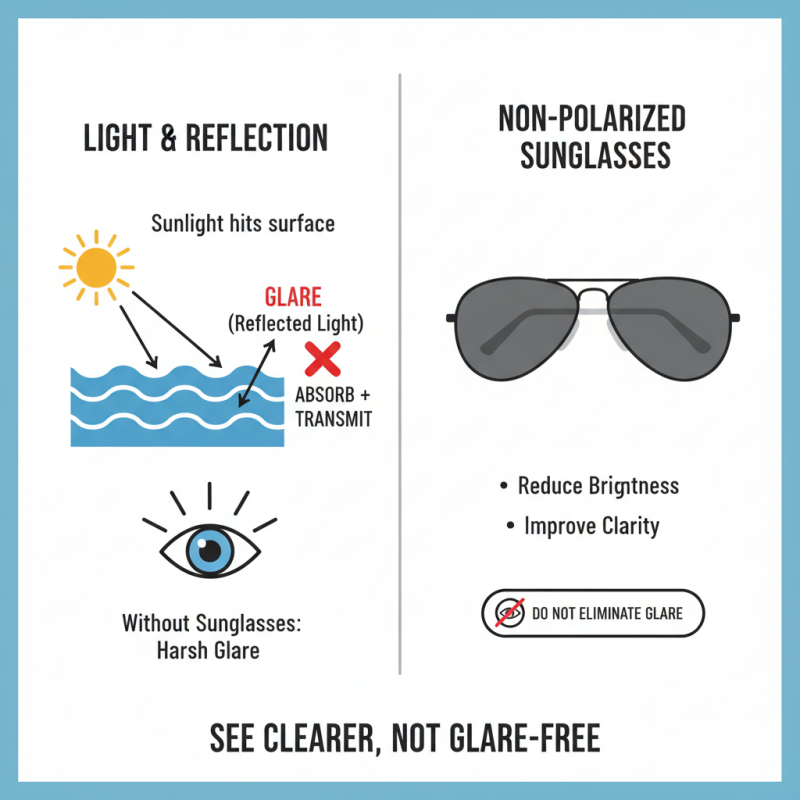
Light is everywhere, shaping how we see the world. When sunlight hits a surface, it can reflect, absorb, or transmit. Some surfaces are reflective, creating glare. This is where sunglasses come in. Non-polarized sunglasses provide a basic level of protection. They reduce brightness and help you see more clearly. However, they do not eliminate glare effectively.
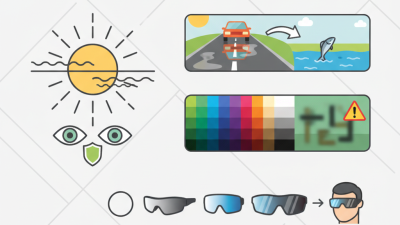
The functionality of sunglasses relies on their ability to filter light. Non-polarized lenses darken the overall light levels. They offer comfort against bright sunlight. Yet, they fall short in blocking horizontal light waves. This means glare from water or shiny roads can still disrupt vision. People often overlook this aspect.
Choosing non-polarized sunglasses may seem fine for casual use. But for driving or outdoor activities, the limitations can be frustrating. It's important to reflect on your needs. Are you truly seeing what you should? Sometimes, investing in better quality could enhance your experience. Consider the environments in which you spend time. These factors can influence your choice significantly.
Key Differences Between Polarized and Non-Polarized Lenses
When choosing sunglasses, understanding the difference between polarized and non-polarized lenses is crucial. Non-polarized sunglasses offer basic UV protection. They reduce brightness but do not eliminate glare effectively. This can be a drawback for outdoor activities or driving.
Polarized lenses, in contrast, cut glare from reflective surfaces like water or roads. They have a special coating that absorbs horizontal light waves. This can enhance clarity and visual comfort. However, non-polarized options still provide adequate sun protection. They might be preferable for casual wear or indoor use.
Many people find non-polarized sunglasses adequate for daily activities. They are often lighter and more affordable. Additionally, some users prefer the visual quality of non-polarized lenses. But, they may miss the benefits of glare reduction in bright conditions. It's worth considering what you prioritize in your eyewear.
Advantages and Limitations of Non-Polarized Sunglasses
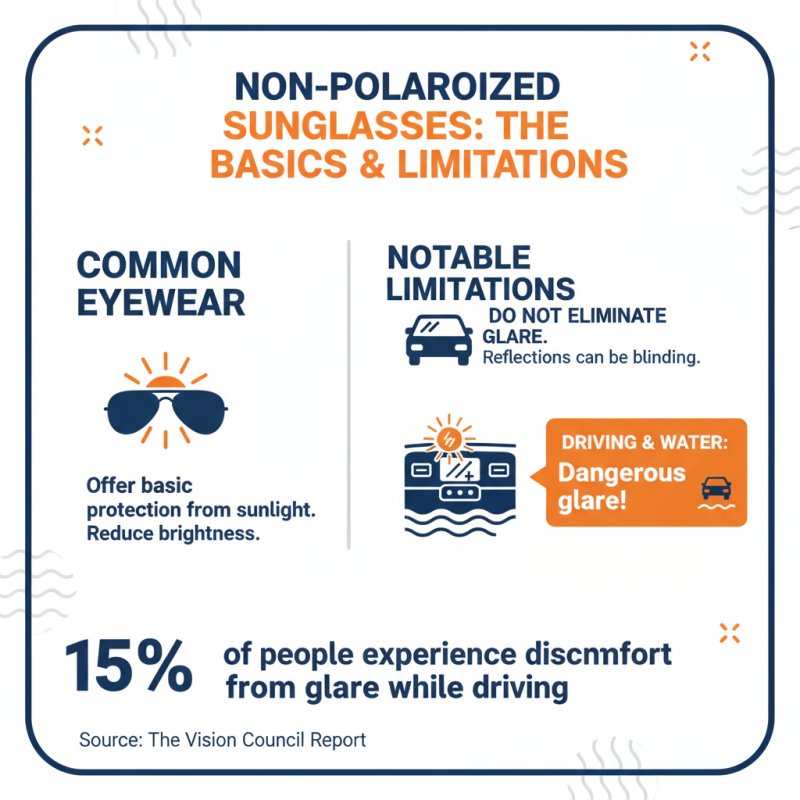
Non-polarized sunglasses are common eyewear. They offer basic protection from sunlight. However, they have notable limitations. These sunglasses reduce brightness but do not eliminate glare. When you're driving or near water, reflections can be blinding. A report from the Vision Council states that nearly 15% of people experience discomfort from glare while driving.
The advantages of non-polarized sunglasses include affordability and variety. They come in numerous styles and colors. Many enjoy using them for casual outings. Yet, they might not provide adequate protection for outdoor activities. For instance, if you’re skiing or fishing, glare can be a serious issue. Data shows that about 30% of injuries during outdoor sports are related to glare mishaps.
In bright environments, non-polarized sunglasses fail to enhance clarity. Colors may appear less vibrant as well. This affects your ability to see well in changing light conditions. Some users report feeling eye strain after prolonged use. Choosing the right eyewear is crucial. A survey revealed that only 40% of people know about the differences between polarized and non-polarized lenses. It’s essential to reflect on your needs before making a choice.
Common Uses and Best Situations for Non-Polarized Sunglasses
Non-polarized sunglasses are popular among many outdoor enthusiasts. They provide basic protection against sunlight. These sunglasses reduce brightness, but do not eliminate glare like polarized lenses do. This makes them useful in many situations, but they have their limitations.
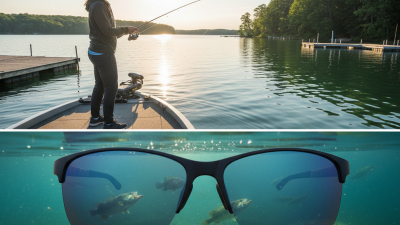
They are ideal for casual wear, especially during sunny days at the beach or park. When you’re driving, non-polarized sunglasses can help reduce eye strain without distorting colors. However, they might not be the best option for fishing or skiing. In these activities, glare from water or snow can cause visibility issues. It’s important to consider your environment when choosing sunglasses.
Some users find non-polarized sunglasses comfortable. They often feel lighter and don’t distort vision. But, they may not block harmful UV rays as effectively as polarized options. Some wearers notice more strain in bright, reflective conditions. Reflect on your needs before making a choice. Choosing the right sunglasses can improve your experience outdoors.