What are Driving Lenses and How They Enhance Your Driving Experience
Driving lenses are specialized eyewear designed to enhance the driving experience by improving vision clarity and reducing glare. According to a report by the Vision Council, approximately 75% of adult Americans require some form of vision correction, highlighting the critical need for optical solutions that cater specifically to driving. These lenses are engineered to provide optimal contrast and reduce distractions, which are essential for safe driving.
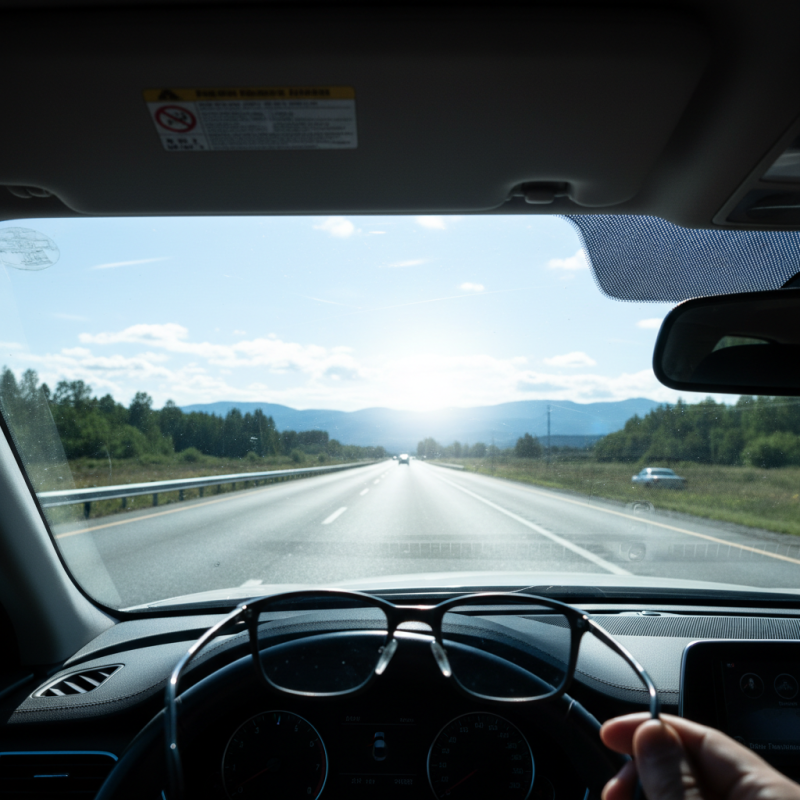
Research from the American Academy of Ophthalmology emphasizes that proper vision is paramount for road safety, as nearly 90% of driving decisions are based on visual information. Driving lenses often incorporate features such as anti-reflective coatings and tinting that mitigate glare from oncoming headlights and sunlight, aiding drivers in maintaining focus and awareness. As we explore the impact of driving lenses on automotive safety and comfort, it becomes evident that they play a vital role in enhancing not only the driving experience but also overall road safety.
What Are Driving Lenses and Their Purpose
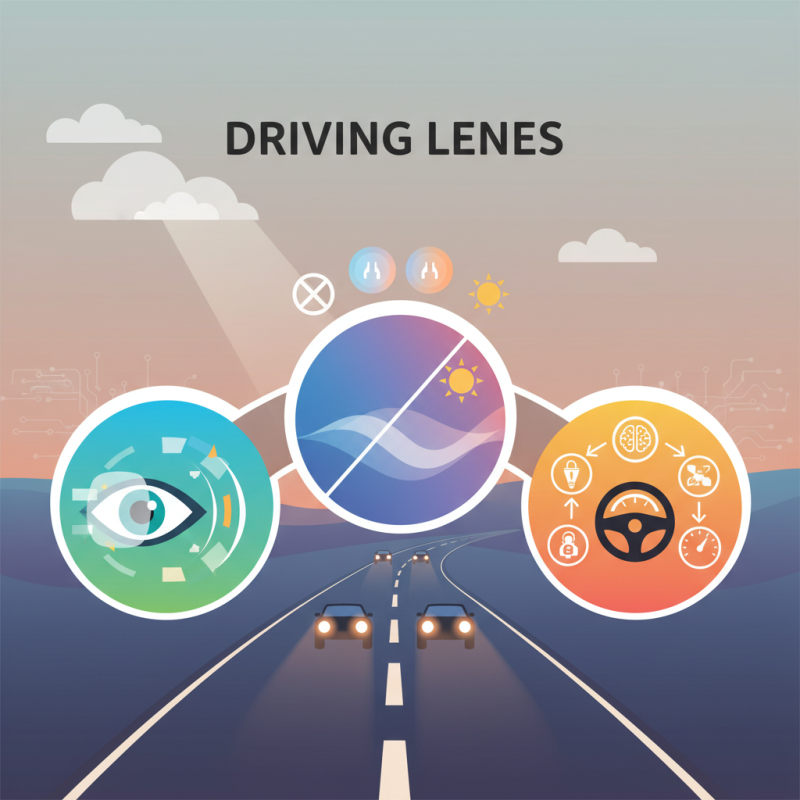
Driving lenses are specialized eyewear designed to enhance visual clarity and comfort while operating a vehicle. Their primary purpose is to reduce glare and improve contrast, which is crucial for effective driving, especially in challenging conditions such as bright sunlight or nighttime environments. According to a report from the American Optometric Association, approximately 80% of all traffic accidents are attributed to visual impairments, highlighting the importance of having the right eyewear to ensure optimal vision on the road.
The use of driving lenses typically incorporates advanced lens technologies like anti-reflective coatings and polarizing filters. These features help to minimize reflections from wet roads or headlights, offering clearer vision and reducing eye strain during prolonged driving periods. A study from the Vision Council indicates that nearly 70% of drivers experience discomfort from glare, underscoring the need for lenses specifically designed to combat these issues. By providing sharper vision, driving lenses contribute to safer driving conditions, thereby enhancing the overall driving experience.
Driving Lenses Impact on Driving Comfort and Safety
This chart illustrates the satisfaction levels of drivers using specialized driving lenses in terms of different benefits they provide, enhancing overall driving comfort and safety.
Benefits of Using Driving Lenses for Nighttime Driving
Driving lenses have emerged as a pivotal accessory for enhancing nighttime driving. These specialized lenses are designed to improve visibility and reduce glare, addressing common challenges that drivers face after dark. According to a report by the AAA Foundation for Traffic Safety, nearly 50% of traffic fatalities in the United States occur at night, despite significantly fewer vehicles on the road. This statistic highlights the critical importance of optimized visibility during nighttime driving.
One of the key benefits of using driving lenses is their ability to filter out harsh blue light from oncoming headlights and streetlights, which can cause temporary blindness and visual distortion. A study published in the Journal of the Optical Society of America found that lenses with anti-reflective coatings can reduce glare by up to 90%, significantly enhancing comfort and clarity for the driver. Additionally, these lenses often feature specialized tints designed to improve contrast, making it easier to discern road signs and obstacles in low-light conditions. This capability is especially valuable; researchers estimate that drivers with proper visual aids can reduce their reaction time by as much as 25%, potentially saving lives on the road.
Moreover, driving lenses can also mitigate the effects of eye strain during prolonged nighttime journeys. A survey from the Vision Council indicates that 62% of motorists experience discomfort when driving at night, directly affecting their performance and safety. By providing clearer vision and reducing fatigue, driving lenses not only enhance the driving experience but also contribute to safer roadways for everyone.
How Polarized Driving Lenses Improve Visibility
Polarized driving lenses are specifically designed to enhance visual clarity and reduce glare from reflective surfaces, making them a popular choice for drivers. When sunlight hits the road or other flat surfaces such as water or snow, it often creates intense glare that can impair vision. Polarized lenses are fitted with a special coating that filters out horizontal light waves, which are primarily responsible for this distracting glare. By minimizing these reflections, drivers can enjoy a clearer and safer view of the road ahead, thus improving their overall driving experience.
In addition to reducing glare, polarized driving lenses also enhance color contrast and depth perception. This is particularly beneficial during varying weather conditions or when driving at dusk or dawn when light conditions change rapidly. With better contrast, road signs, lane markings, and obstacles become more distinguishable, helping drivers react promptly to changing conditions. Overall, the advantages of polarized driving lenses extend beyond just comfort; they contribute significantly to road safety by allowing drivers to maintain focus and awareness of their surroundings.
Comparative Analysis of Driving Lenses and Regular Sunglasses
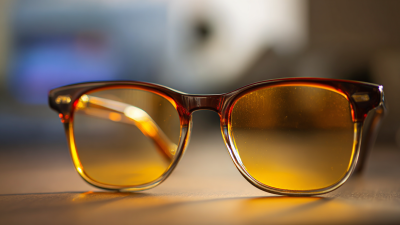
Driving lenses are specifically designed to enhance visibility and comfort while driving, offering advantages over regular sunglasses. One key difference between the two lies in the lens tint and color. Driving lenses typically feature a yellow or amber tint that enhances contrast and depth perception, improving visibility in low-light conditions, such as during dusk or in fog. This unique tint allows drivers to see road markings and obstacles more clearly than standard dark sunglasses, which can sometimes reduce overall visibility by blocking light excessively.
Another significant aspect of driving lenses is their anti-glare properties. Many driving lenses come with technologies that reduce glare from oncoming headlights and reflective surfaces, providing a safer driving experience at night. Regular sunglasses, on the other hand, may not be optimized for this purpose and can even exacerbate glare issues due to their darker shades.
Additionally, driving lenses are often designed with a wider field of view, reducing distortion at the edges, which is crucial for safe lane changes and monitoring traffic. This comparative analysis highlights how driving lenses are crafted to address specific driving challenges, making them a superior choice for those seeking to enhance their driving experience.
Choosing the Right Driving Lenses for Your Needs
Choosing the right driving lenses is essential for enhancing your vision while on the road. Factors such as your typical driving conditions, time of day, and personal vision needs all play a crucial role in selecting the most suitable lenses. For instance, if you frequently drive at night or in low-light situations, lenses designed to reduce glare and improve contrast can significantly enhance visibility, allowing you to navigate safely.
Additionally, if you often encounter bright sunlight, polarized lenses can help reduce glare from the road and surrounding surfaces, providing a clearer view.
Another important consideration is the prescription needs of the driver. Individuals with specific vision requirements should look for lenses that offer precise corrective features tailored to their sight. Options such as progressive lenses can offer a seamless transition between different focal lengths, which is beneficial for those who need vision correction for both distance and close-up viewing. Furthermore, lens coatings, such as anti-reflective and scratch-resistant, add to the durability and functionality, ensuring that your driving experience remains as safe and comfortable as possible. By carefully evaluating these factors, you can choose driving lenses that best suit your needs and ultimately enhance your driving performance.