Top Tips for Choosing Polarized Prescription Lenses?
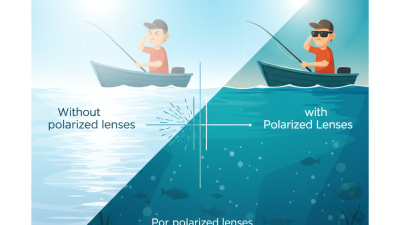
Choosing the right lenses for your eyewear is crucial for both vision and comfort. Polarized Prescription Lenses offer exceptional benefits, especially for those who spend time outdoors. These lenses reduce glare from surfaces like water and pavement, enhancing visual clarity. However, selecting the right polarized lenses can be challenging.
It’s essential to consider various factors when making your choice. Not all polarized lenses are created equal. The lens color, material, and coating can significantly impact your overall experience. Furthermore, your prescription may limit options available to you. Many people overlook the importance of fit and style. These elements can affect both function and fashion.
As you navigate through your options, think about where you will use your glasses the most. Will you be near water, or in bright sunlight? Reflecting on your daily activities is key. Test different lenses if possible, and consult with professionals. Their expertise can guide you toward the best choice for your lifestyle. Remember, Polarized Prescription Lenses are an investment in your vision health and quality of life.

Understanding Polarized Prescription Lenses: What You Need to Know
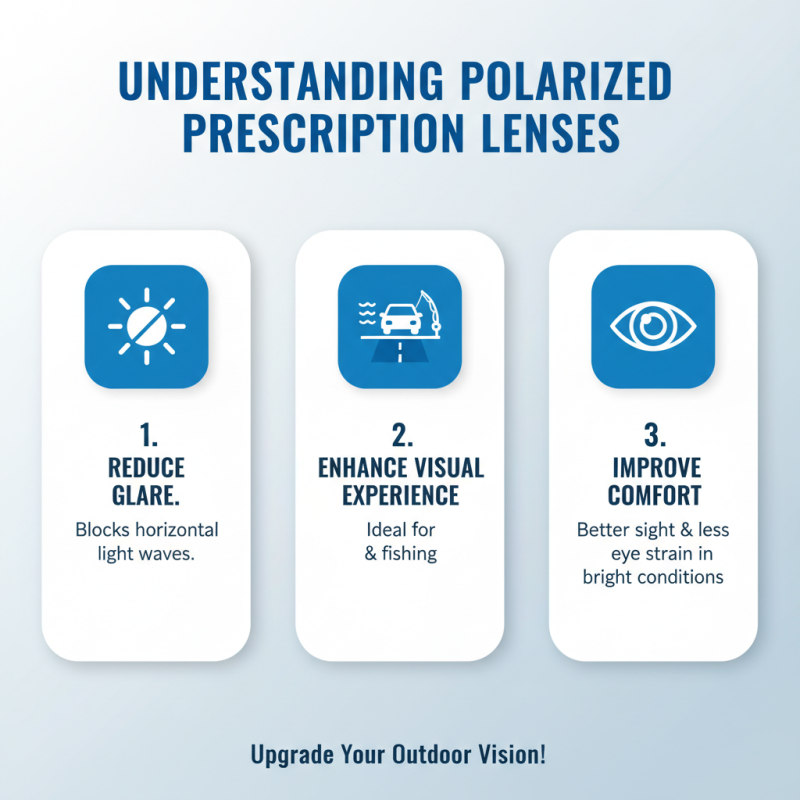
Understanding polarized prescription lenses can enhance your visual experience significantly. These lenses reduce glare, making them ideal for outdoor activities like driving or fishing. The technology behind polarization filters out horizontal light waves. This can improve your sight in bright conditions, reducing eye strain.
When considering polarized prescription lenses, think about your lifestyle. If you spend time outdoors, these lenses can provide clear and comfortable vision. Different levels of polarization are available. You may want to try a few options to see which works best for your needs.
Here are some quick tips: Choose the right tint for your activities. Darker tints may provide better glare reduction but can lessen visibility in low-light conditions. Consider lens material as well; polycarbonate is lightweight and impact-resistant. Finally, evaluate lens coatings. Anti-reflective coatings can enhance clarity while minimizing distractions. Each detail matters in selecting the best lenses for you.
Benefits of Polarized Lenses for Vision and Eye Protection
Polarized lenses offer significant benefits for vision and eye protection. They reduce glare, enhancing visual clarity when paired with prescription lenses. According to the Vision Council, glare can cause eye strain and discomfort, impacting daily activities like driving and outdoor sports. Polarized lenses can filter out 99% of reflected light. This provides a more calming visual experience.
When choosing polarized prescription lenses, it’s advisable to consider your specific needs. For active individuals, lenses that reduce blue light exposure can minimize fatigue while outdoors. A report from the American Optometric Association states that prolonged exposure to blue light can lead to digital eye strain. Opt for lenses that not only protect against glare but also offer UV protection. Approximately 20% of sunlight’s UV rays can reach your eyes even on cloudy days.
Additionally, it’s essential to ensure proper fit and comfort. Ill-fitting lenses can lead to headaches and discomfort. Regular eye examinations can help determine the best prescription and lens style for you. Even small adjustments can make a difference in your daily comfort. A study cited by the American Academy of Ophthalmology indicates that discomfort from improper lenses can lead to decreased outdoor activities, impacting both physical and mental well-being.
Key Factors to Consider When Choosing Prescription Polarized Lenses
Choosing polarized prescription lenses involves careful consideration of various factors. The first aspect to evaluate is the level of polarization. According to a report by the American Optometric Association, polarized lenses can reduce glare by up to 99%. This feature is essential for activities like driving, fishing, or skiing. Understanding how dark the tint should be can also influence your experience, as a darker lens may not always be better for every situation.
Another crucial factor is the lens material. Polycarbonate lenses are often recommended for their durability and UV protection. They are 10 times more impact-resistant than standard plastic lenses, making them ideal for sports or active use. Research suggests that around 89% of users prefer lighter lens materials due to comfort and long-term wear. Additionally, consider the coating options available. Anti-reflective coatings can enhance visual clarity, particularly in bright environments.
Finally, it’s important to consult with an eye care professional. They can provide personalized recommendations based on your lifestyle and specific vision needs. Relying solely on online reviews might lead to misconceptions about what is genuinely suitable. Make sure you prioritize comfort, fit, and protection, while also reflecting on your own experiences and requirements.
Popular Lens Materials and Designs for Polarized Options
When considering polarized prescription lenses, the choice of materials and designs plays a crucial role in overall performance. Various lens materials offer unique benefits, affecting clarity, weight, and durability. Polycarbonate lenses, for example, are impact-resistant and lightweight, making them a popular choice for active lifestyles. According to a report by the Vision Council, around 55% of consumers prefer lightweight options for everyday wear.
Another common material is high-index plastic. This type offers superior optical quality and is thinner than standard lenses, ideal for stronger prescriptions. The Vision Council’s data indicated that 30% of wearers prefer this option for its cosmetic appeal. While high-index lenses may provide aesthetic benefits, some consumers report glare sensitivity. It is essential to balance style with comfort.
Additionally, specialized lens designs enhance lens functionality. Progressive and bifocal lenses cater to various vision needs, allowing for a smooth transition between different focal areas. However, adapting to these designs can take time, with many users expressing challenges in achieving comfort. It’s crucial to seek guidance from an eye care professional to ensure the best fit and visual performance.
How to Properly Care for and Maintain Your Polarized Prescription Lenses
Proper care for polarized prescription lenses is essential for maintaining their quality and longevity. These specialized lenses are designed to reduce glare and provide clearer vision, but they do require attention. According to the Vision Council, nearly 80% of people don't take proper care of their eyewear. This can lead to scratches and reduced effectiveness over time.
To keep your lenses in optimal condition, always use a microfiber cloth for cleaning. Avoid rough materials which can scratch the surface. It is advisable to clean them daily with a suitable lens cleaner and avoid harsh chemicals. Store your glasses in a hard case when not in use. This simple habit can prevent accidental damage.
Furthermore, consider regular professional inspections. Experts suggest that having your lenses checked every year can help address any potential issues. Some wearers forget this essential step. By committing to proper care, wearers can enhance the performance of their polarized prescription lenses and ensure that they remain clear and effective against harmful glare. Neglecting these practices can lead to refractive errors, impacting vision quality.
Top Tips for Choosing Polarized Prescription Lenses