How to Choose Photochromic Polarized Sunglasses for Optimal Vision?
When it comes to choosing the right eyewear, "Photochromic Polarized Sunglasses" play a crucial role. Industry expert Dr. Emily Carter states, "The perfect pair can enhance your outdoor experience significantly." These sunglasses adapt to changing light conditions, making them versatile for various activities. However, many people overlook important factors when making their selection.
Understanding the differences between polarization and photochromic lenses is essential. Polarized lenses reduce glare, while photochromic lenses darken in sunlight. Not all sunglasses meld these features seamlessly. A mismatch can lead to visual discomfort. Intense light can still penetrate poorly designed lenses.
Moreover, it's vital to consider lens durability and UV protection. Many assume higher price guarantees better quality. This isn't always true. Even some expensive brands can lack adequate protection. Reflect on your own needs before settling on a choice. Not every pair will fit every face or lifestyle. Your decision should reflect personal style and functional requirements. Ensuring clarity in vision can transform daily experiences outdoors.
Understanding Photochromic Lenses and Their Benefits
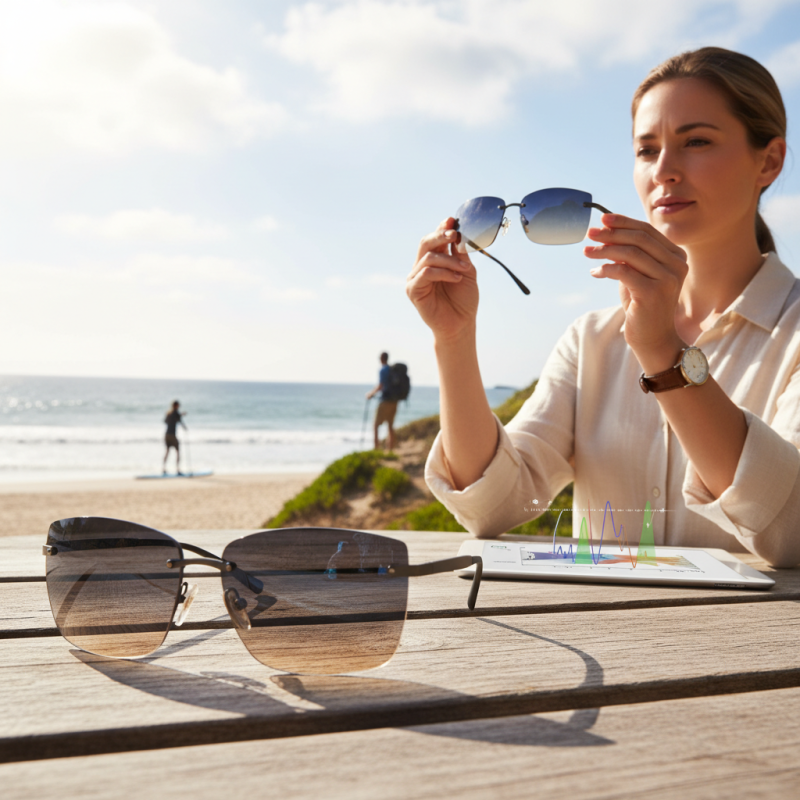
Photochromic lenses are a unique innovation in eyewear. They adapt to changing light conditions, adjusting tint based on UV exposure. This technology offers more than just comfort; it provides essential protection for your eyes.
Research shows that prolonged exposure to UV rays increases risks of eye conditions. According to a study published by the American Optometric Association, regular use of photochromic lenses can reduce glare by around 75%. This makes them particularly valuable for outdoor activities. Moreover, they can block up to 100% of harmful UV rays, a significant advantage for maintaining eye health.
While photochromic lenses are convenient, they do have limitations. One potential drawback is their reaction time; they may take longer to darken in direct sunlight. Some users report dissatisfaction with the lenses' performance in extremely hot conditions. Additionally, their effectiveness can vary depending on the brand and material. Understanding these aspects can help in making an informed choice for optimal vision.
The Importance of Polarization in Sunglasses
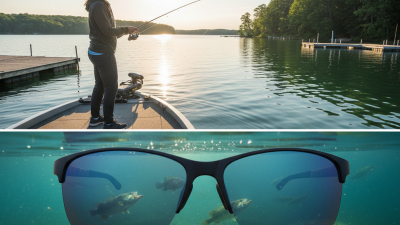
Polarization is crucial for effective sunglasses. It reduces glare from reflective surfaces like water or roads. When light reflects off these surfaces, it becomes horizontally polarized. This creates blinding glare, affecting our vision. Polarized lenses block this horizontal light, allowing easier viewing in bright conditions.
Choosing the right polarized sunglasses means understanding your needs. Some may prefer lighter lenses for cloudy days. Others might want darker lenses for intense sunlight. Don't forget about breathability. Your eyes need comfort. Sometimes, cloudiness still creeps in, affecting clarity. A polarized lens that doesn’t feel good? Not worth it.
Testing different shades and fits is essential. Walk outside and see how they perform. Do you see better? How do they feel? It can be revealing. You may find some lenses don’t provide the clarity expected. Reflection and comfort matter. Choosing wisely enhances your outdoor experience and protects your eyes.
Key Factors to Consider When Choosing Sunglasses
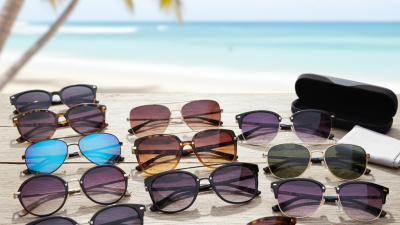
Choosing the right photochromic polarized sunglasses is crucial for optimal vision. One key factor is the lens color. Grey lenses provide true color perception, while brown enhances contrast. Consider your typical environment. Are you often in bright sunlight or shaded areas? The right lens can greatly affect your comfort.
Another important aspect is UV protection. Look for sunglasses that block 100% of UVA and UVB rays. This protects your eyes from long-term damage. Lens quality matters too. Higher-quality lenses reduce glare and improve clarity, especially on sunny days.
Fit and comfort should not be overlooked. Sunglasses shouldn't pinch your nose or slip off during activities. Proper fit enhances overall wearability. You might find it hard to choose the perfect pair. Sometimes, it requires trying several options. It's okay to take your time.
Evaluating Lens Quality and Optical Clarity
When choosing photochromic polarized sunglasses, lens quality is paramount. High-quality lenses enhance clarity and clarity affects vision. Look for lenses that reduce glare effectively. This can significantly improve your experience in bright environments. Consider options that offer anti-reflective coatings as they can make a substantial difference.
Optical clarity is essential for optimal vision. It’s crucial that lenses provide distortion-free viewing. Low-quality lenses might cause headaches or visual discomfort. Examine the lens material as well, since cheaper materials can affect clarity. Not all photochromic lenses transition well between light levels. Test them under different lighting conditions if possible.
Remember, what seems perfect at first glance may not be effective over time. Check for scratches or imperfections after purchase. Examine how well they adapt to changing light. You may find that some lenses perform inadequately. Investing in quality lenses can prevent future frustration. Ensure the lenses provide a comfortable, clear view in all situations.
Selecting the Right Frame for Comfort and Fit
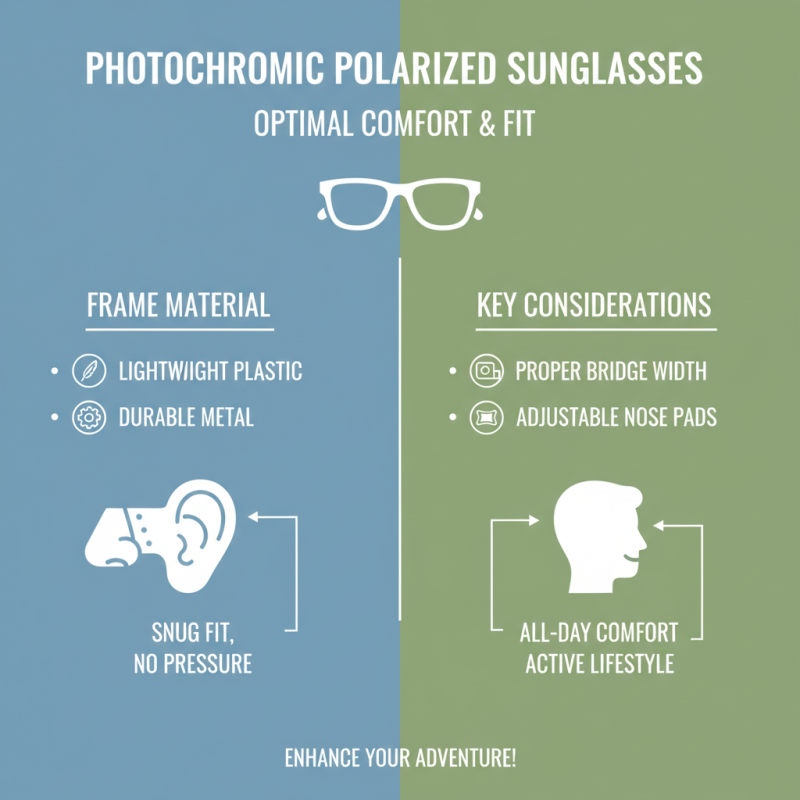
When selecting photochromic polarized sunglasses, comfort and fit play a crucial role. The right frame can enhance your outdoor experience. Start by considering the frame material. Lightweight materials like plastic or metal ensure a snug fit without excessive pressure on your nose or ears. A frame that’s too tight can cause discomfort and distraction during activities.
Next, focus on the frame shape. Different shapes suit various face structures. For example, round frames complement angular faces, while rectangular frames balance softer features. Trying on several styles can help you find the one that feels right. Pay attention to the bridge size as well. A well-fitted bridge keeps sunglasses in place, preventing them from slipping.
Finally, don’t overlook the temple length. They should wrap around your ears comfortably without pinching. A little bit of adjustment can make a big difference in long-term wear. Remember, choosing the right sunglasses is not just about style. Their effectiveness relies heavily on how well they fit you. Reflect on your own preferences and habits when making this choice.