How to Choose the Best Non Polarized Sunglasses for Your Needs?
Choosing the right sunglasses can significantly impact your eye health and comfort. Non Polarized Sunglasses, while often overshadowed by their polarized counterparts, serve specific needs. According to a recent report by the Vision Council, nearly 30% of consumers use non-polarized glasses for everyday activities. Industry expert Dr. Emily Hart stated, "Non polarized lenses provide essential UV protection without altering color perception." This is particularly important for activities where true color recognition is crucial, such as driving.
Many assume all sunglasses are created equal. However, this is a misconception. Non Polarized Sunglasses can be ideal for various situations, especially for those who often transition between indoor and outdoor environments. They allow for a clearer view in complex lighting conditions. Still, some might find clarity comes at a cost. There are limitations to these lenses. Additionally, some users might be unaware of the potential glare they can face.
Opting for Non Polarized Sunglasses may not always feel like the obvious choice. Yet, understanding their benefits and usage scenarios can enhance the overall experience. Each pair should meet your individual needs, reflecting your lifestyle and preferences. The right pair of sunglasses is more than just a fashion statement; it's a practical decision for eye health.

Understanding Non-Polarized Sunglasses: Features and Benefits
When considering non-polarized sunglasses, understanding their features is crucial. These sunglasses provide basic UV protection but lack polarizing filters. They allow glare and reflections, which can be a disadvantage for outdoor activities. For instance, they’re not ideal for driving on sunny days. However, they can still offer clarity in less intense light.
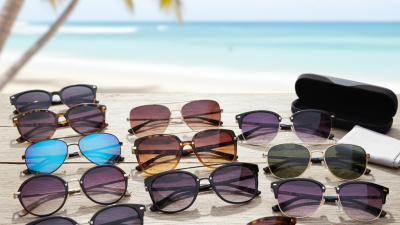
Non-polarized lenses come in various tints and colors. They can enhance contrast and provide decent visibility. Many people appreciate their aesthetic appeal. The lightweight nature makes them comfortable for daily wear. But, the lack of polarization means you may struggle with bright conditions and might find yourself squinting more often.
Choosing non-polarized sunglasses involves weighing their benefits and limitations. They may suit casual outings and urban settings, but not all environments. You should think about where you plan to use them. If you're often in bright, reflective places, consider your options carefully. Finding the right balance between style and practicality is key.
Assessing Your Specific Needs for Sunglasses Based on Activities
Choosing the sunglasses requires careful thought. Your activities dictate what you need. For instance, someone who hikes often might prioritize durability and comfort over fashion. Meanwhile, a beachgoer may seek styles that cater to UV protection.
Data from the American Optometric Association shows that 58% of Americans are unaware of the dangers UV rays pose. A fundamental insight emerges here: protection is paramount. For active outdoors enthusiasts, glasses with impact-resistant lenses are crucial. These lenses help withstand sudden mishaps while adventuring. People engaging in sports might benefit from wrap-around designs to enhance their vision field.
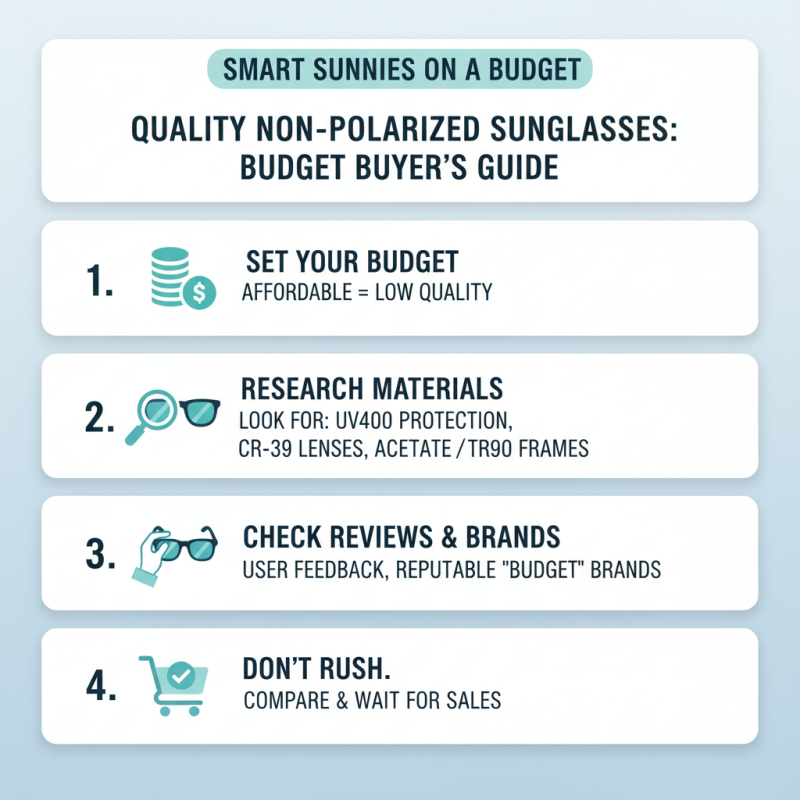
Sometimes, cost comes into play. A report from the Vision Council specifies that nearly 30% of consumers believe expensive sunglasses mean better quality. However, this isn't always true. Understanding the features that matter is vital to avoid overspending. Did you know that fashion-forward designs may sacrifice functionality? It’s a trade-off that often leaves users dissatisfied.
Evaluating UV Protection and Lens Quality in Non-Polarized Options
When selecting non-polarized sunglasses, evaluating UV protection is crucial. Look for sunglasses that block at least 99% of UVA and UVB rays. This protection helps prevent long-term eye damage from sun exposure. Many sunglasses do not offer sufficient UV coverage, so check labels carefully. The darker the lenses, the more UV protection does not mean it's better.
Lens quality is another key factor. High-quality lenses enhance visual clarity and reduce distortion. Materials used in lenses vary, affecting durability and weight. Polycarbonate lenses are lightweight and impact-resistant. Glass lenses, while heavier, provide superior optics. It’s essential to find a balance between weight and visual performance.
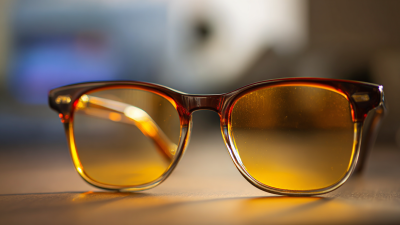
Some people overlook lens color, which can influence visibility. Grey lenses offer true color perception, while brown and amber can enhance contrast. However, having lighter or darker shades can make a difference in different lighting conditions. By considering these factors, you ensure you choose sunglasses that not only look good but also protect your eyes effectively.
Comparing Frame Styles and Fit for Comfort and Durability
Choosing the right frame style for non-polarized sunglasses is crucial. A well-fitting frame enhances comfort during prolonged wear. Look for materials that offer both durability and lightness. Lightweight options, like certain plastics or metals, can make a significant difference. Sometimes, though, a sturdy design might feel heavier than expected.
The shape of the sunglasses frame impacts how they fit your face. Round, square, or aviator styles all serve different aesthetics and comfort levels. Try on multiple styles to see what suits you best. Pay attention to pressure points, especially on your nose and behind your ears. An uncomfortable pair can ruin a beautiful day outside.
Don't forget about lens size and width. Larger lenses often provide better protection from sunlight, but might feel clunky. Smaller lenses can be stylish, yet limit coverage. Reflect on your own needs. Are you active or do you prefer casual outings? Make a decision based on your lifestyle and preferences. Finding the perfect pair may take time and patience.