How to Choose Non Polarized Sunglasses for Optimal Eye Protection and Style
In today's world, where sun exposure is an everyday reality, choosing the right eyewear is essential not only for style but also for optimal eye protection. While polarized sunglasses are popular for reducing glare, non polarized sunglasses serve a unique purpose that is often overlooked. Dr. Emily Walker, an optometry expert, emphasizes the importance of understanding these differences, stating, "Non polarized sunglasses can provide adequate protection while allowing for a better visual perception in certain environments."
When selecting non polarized sunglasses, it is crucial to consider factors such as UV protection, lens material, and overall fit. Unlike their polarized counterparts, non polarized sunglasses allow for more natural vision in different light conditions, making them suitable for activities where depth perception and clarity are vital. Understanding the nuances of non polarized sunglasses can guide consumers in making informed decisions that align with their lifestyle and fashion preferences while ensuring their eyes remain safe from harmful UV rays.
Ultimately, the choice between polarized and non polarized sunglasses should be based on individual needs and activities. By focusing on the protective qualities and visual advantages that non polarized sunglasses offer, wearers can successfully blend style with functionality, paving the way for a healthier and more vibrant outdoor experience.
Understanding Non-Polarized Sunglasses: Features and Benefits
Non-polarized sunglasses are a popular choice for many due to their unique features and benefits that cater to various needs. One of the primary characteristics of non-polarized lenses is their ability to reduce brightness without interfering with the perception of colors. This is particularly important for activities where color distinction is essential, such as driving or sports. Unlike polarized sunglasses, which can sometimes distort views of LCD screens or shiny surfaces, non-polarized lenses provide a clear and unobstructed vision, maintaining true color accuracy.
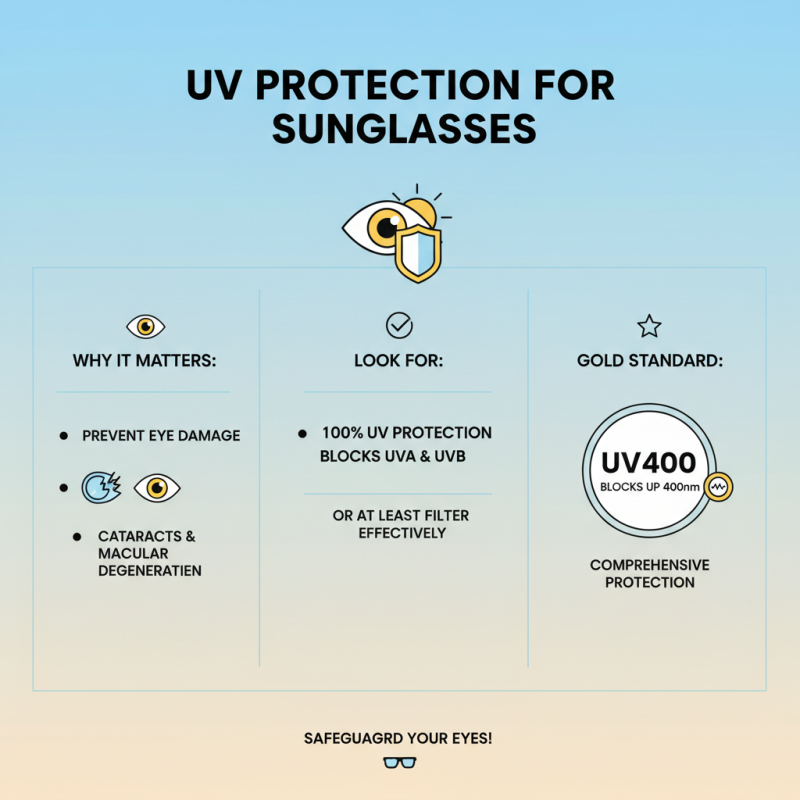
In addition to visual clarity, non-polarized sunglasses offer robust protection against harmful UV rays. Many non-polarized lenses are designed to block 100% of UVA and UVB radiation, which is crucial for preventing long-term eye damage such as cataracts and macular degeneration. Furthermore, these lenses can come in a variety of tints and styles, allowing for personalization in fashion while ensuring comfort and practicality. Whether you're lounging on the beach or navigating city streets, non-polarized sunglasses can provide a stylish yet functional accessory that enhances your overall appearance while safeguarding your eye health.
How to Choose Non Polarized Sunglasses for Optimal Eye Protection and Style
| Feature |
Description |
Benefits |
| UV Protection |
Blocks harmful UV rays up to 100% |
Helps prevent eye damage and vision problems |
| Lens Material |
Made from polycarbonate or CR-39 materials |
Durable, lightweight, and scratch-resistant |
| Frame Style |
Available in various designs such as aviator, wayfarer, and oversized |
Allows for personal expression and complements different face shapes |
| Color Options |
Lenses available in multiple colors including grey, brown, and green |
Can enhance contrast and improve visibility in various light conditions |
| Anti-Reflective Coating |
Coating that minimizes glare from sunlight |
Enhances visual clarity and reduces eye strain |
| Fit & Comfort |
Options for adjustable nose pads and flexible frames |
Increases wearability for extended use |
Identifying UV Protection Levels in Non-Polarized Sunglasses
When selecting non-polarized sunglasses, understanding their UV protection levels is critical for safeguarding your eyes from harmful solar radiation. UV rays can lead to long-term eye damage, including cataracts and macular degeneration, making it essential to choose sunglasses that offer adequate protection. Look for sunglasses that provide 100% UV protection or at least filter out UVA and UVB rays effectively. Labels indicating UV400 are preferable, as they block wavelengths up to 400 nanometers, providing comprehensive protection against both types of harmful rays.
In addition to UV protection, the lens color and material can affect visibility and comfort but do not influence the level of UV protection. Darker lenses do not automatically mean better UV protection; therefore, it's crucial to check for specific UV ratings. Polycarbonate lenses are a great choice due to their inherent UV-blocking properties and impact resistance. Ultimately, combining proper UV protection with your personal style will ensure that you make a wise investment in both eye safety and aesthetic appeal.
Selecting Appropriate Lens Colors for Different Environments
When choosing non-polarized sunglasses, selecting the appropriate lens color can significantly enhance your visual comfort and style while providing optimal eye protection. Different lens colors serve various purposes, making it essential to understand the impact they have on your vision depending on the environment. For instance, gray lenses are versatile and reduce overall brightness, making them suitable for sunny days and activities like driving. They maintain true color perception, which is crucial when you need accurate color recognition.
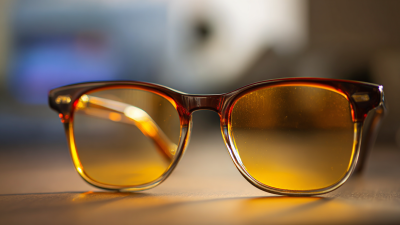
Brown or amber lenses are another excellent choice, especially for enhancing contrast and depth perception in variable light conditions. These tones work particularly well for outdoor sports or activities in partly cloudy weather, as they filter out blue light and enhance the contrast of your surroundings. This can be especially helpful for those who are frequently active outdoors.
Tips: When selecting your lens colors, consider your primary activities and the typical environments you encounter. If you often find yourself in bright, sunny settings, gray lenses may be your best bet. Alternatively, for sports enthusiasts, brown lenses can improve your visual clarity and reaction time. Always try on sunglasses to see how the lens color affects your vision in real-time before making a purchase.
Evaluating Frame Styles for Comfort and Fashion Appeal
When selecting non-polarized sunglasses, evaluating frame styles is crucial for ensuring both comfort and fashion appeal. The right frame not only complements your face shape but also provides adequate support during various activities. According to a report by the Vision Council, 77% of adults feel that eyewear adds to their personal style, highlighting the significance of fashionable frames in everyday life. For instance, larger frames are gaining popularity for their ability to offer more coverage and protection, making them an ideal choice for outdoor enthusiasts.
Tips: When trying on sunglasses, ensure that the frames sit comfortably on the nose without pinching, and check if they feel lightweight for all-day wear. It’s also important to consider the materials used in the frames; nylon and acetate are lightweight and durable options that can withstand daily use while maintaining a fashionable appeal.
In addition to comfort, the color and shape of the frames can enhance overall aesthetic appeal. Bold colors can make a statement, while classic shapes such as aviators and cat-eyes remain timeless choices for various occasions. A study published in the International Journal of Fashion Design, Technology and Education indicates that 65% of consumers favor styles that not only fit their personal identity but also reflect current fashion trends. Therefore, selecting a frame that aligns with personal style while offering the right features can significantly elevate your eyewear game.
How to Choose Non Polarized Sunglasses for Optimal Eye Protection and Style
This chart represents the preferences of consumers when selecting non-polarized sunglasses based on frame style, comfort, and fashion appeal.
Maintaining and Caring for Non-Polarized Sunglasses Properly
Maintaining non-polarized sunglasses is essential for ensuring their longevity and effectiveness in protecting your eyes. Regularly cleaning the lenses with a microfiber cloth can help remove fingerprints, dust, and other debris. Avoid using paper towels or coarse fabrics, as these can scratch the lens surface. For deeper cleaning, a mixture of mild soap and water can be used, but it’s important to rinse them thoroughly to remove any soap residue, which can impair visibility.
Proper storage is another critical aspect of caring for your non-polarized sunglasses. Always keep them in a protective case when not in use, as this prevents scratches and damage. When engaging in outdoor activities, such as beach outings or hiking, consider using a strap to secure your sunglasses, ensuring they stay safe and in place. Additionally, avoid leaving them in extreme temperatures, whether hot or cold, as this can warp frames or diminish lens quality over time. With these simple care tips, you can ensure that your sunglasses remain stylish and functional for years to come.