Why Choose Anti Fatigue Lenses for Better Eye Comfort and Health?
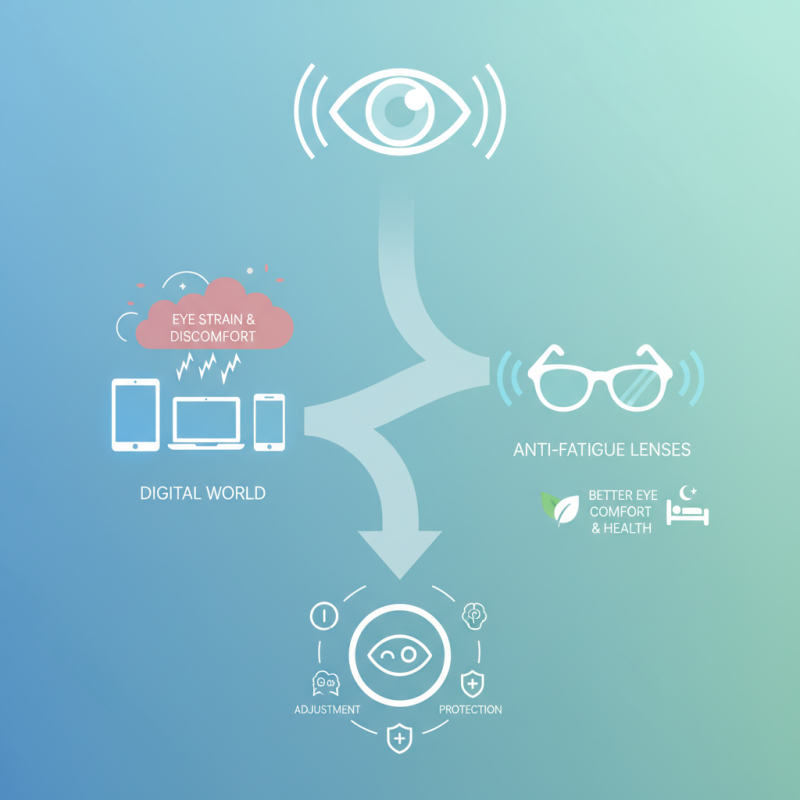
In today's digital world, many people spend hours staring at screens. This constant focus can lead to eye strain and discomfort. Anti Fatigue Lenses offer a solution for better eye health and comfort. These lenses are designed to reduce the strain on our eyes. They can help in providing a clearer vision, especially during extended screen time.
Choosing the right lenses is essential for eye health. The demand for Anti Fatigue Lenses has increased as more people experience visual discomfort. While these lenses can greatly enhance eye comfort, not everyone sees immediate benefits. Some users need time to adjust. It's important to reflect on whether these lenses truly alleviate fatigue, or if further adjustments are needed.
Investing in Anti Fatigue Lenses is about more than just comfort; it's about maintaining eye health. In our fast-paced lives, we often overlook the signs of strain. These lenses remind us to take our vision seriously. Is there a better way to care for our eyes while navigating a screen-dominated environment?
Understanding Anti Fatigue Lenses and Their Functionality
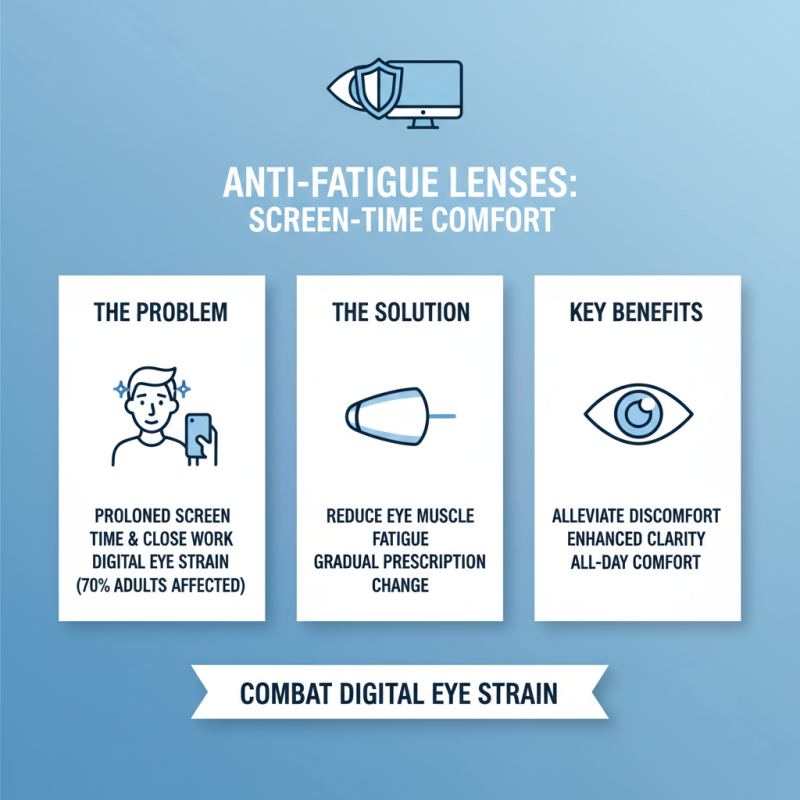
Anti-fatigue lenses are designed to alleviate discomfort during prolonged screen time and close-up tasks. With the rise of digital devices, eye strain has become a common issue. A recent study from the Vision Council reported that 70% of adults experience some symptoms of digital eye strain. Anti-fatigue lenses help combat this by incorporating specialized features. They provide a gradual prescription change throughout the lens, helping to reduce eye muscle fatigue.
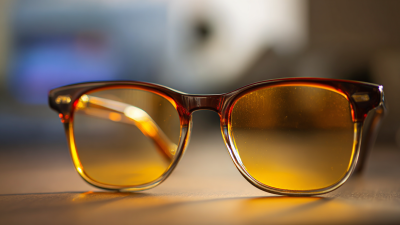
These lenses have unique functionality, making them effective for modern lifestyles. They typically include a blue light filter and a slight magnification for near vision. This combination allows the eyes to relax while focusing on close tasks. Research indicates that using anti-fatigue lenses can lead to a significant reduction in eye strain symptoms. A survey found that 80% of users reported improved comfort after just a week of usage.
Even with these benefits, some users still experience discomfort. Proper fitting and usage are crucial for maximum effectiveness. Individuals must consider their specific needs and visual habits. Not everyone will find immediate relief. Continually assessing one's eye health and adapting choices over time is essential.
The Impact of Digital Devices on Eye Strain and Fatigue
Digital devices have transformed our lives, but they come with hidden costs. Studies show that over 70% of adults report symptoms of eye strain. This is often linked to prolonged screen time. The blue light emitted by devices can disrupt sleep patterns and cause discomfort. As the world becomes more digital, our eyes pay the price.
Tips for reducing eye strain include the 20-20-20 rule. Every 20 minutes, look at something 20 feet away for at least 20 seconds. Simple adjustments can make a difference. Adjust screen brightness and ensure proper lighting in your workspace. Many people underestimate the importance of ergonomics. A comfortable chair and desk can help reduce strain on your eyes and neck.
Remember, working long hours on devices means more fatigue. A recent report showed that eye fatigue can lead to decreased productivity. It's vital to listen to your body. If your eyes feel tired, it may be a sign to take breaks or invest in anti-fatigue lenses. These lenses can filter blue light and enhance visual comfort. They are not a cure-all, but they may help mitigate some symptoms.
Benefits of Anti Fatigue Lenses for Daily Eye Comfort
Anti-fatigue lenses are designed to enhance daily eye comfort. They help reduce strain caused by prolonged screen time. In today's digital world, our eyes constantly adapt to various lighting conditions. This adjustment can lead to discomfort and fatigue.
These lenses often have a specific design to support clear vision at different distances. They minimize the blurriness that can make reading on devices difficult. Many people feel relief by simply wearing these lenses every day. With less strain, you may notice a boost in productivity too.
Tips: Remember to take breaks. Many experts suggest following the 20-20-20 rule. Look away from your screen every 20 minutes. Focus on something 20 feet away for at least 20 seconds. It helps reset your eyes.
Additionally, ensure proper lighting in your workspace. Harsh lights can worsen eye strain. Opt for softer bulbs if possible. Your environment plays a vital role in your visual comfort.
Why Choose Anti Fatigue Lenses for Better Eye Comfort and Health? - Benefits of Anti Fatigue Lenses for Daily Eye Comfort
| Benefit |
Description |
Impact on Eye Comfort |
Recommended Usage |
| Reduced Eye Strain |
Lenses that help to alleviate discomfort caused by prolonged screen time. |
High |
Daily use, especially for office workers. |
| Enhanced Visual Clarity |
Designed to minimize blurriness and improve overall vision. |
Medium |
Recommended for all-day wear. |
| Improved Focus |
Facilitates better focus at varying distances, accommodating digital devices. |
High |
Ideal for multitasking between screens. |
| Reduced Blue Light Exposure |
Filters harmful blue light emitted by screens, promoting healthier eyes. |
High |
Especially beneficial in nighttime use. |
| Eye Comfort and Health |
Enhances overall comfort of the eyes during daily activities. |
Very High |
Best for extended use throughout the day. |
Choosing the Right Anti Fatigue Lenses for Your Lifestyle
Choosing the right anti-fatigue lenses can significantly improve your daily comfort. These lenses help reduce eye strain, especially for those who spend hours in front of screens. Think about your daily routine. Do you work at a computer all day? Do you enjoy reading on your tablet? These factors influence the type of lenses you need.
When selecting anti-fatigue lenses, consider your lifestyle. If you frequently switch between tasks, look for lenses with versatile features. You might need bifocal or progressive lenses for varied activities. Pay attention to lens coatings too. Anti-reflective coatings can drastically reduce glare from screens.
Tips for choosing the right lenses:
- Trying different lens types before making a purchase.
- What works for someone else may not work for you.
- Consult an eye care professional for personalized advice.
Regular eye exams are also crucial. They ensure your prescription remains accurate and your eyes stay healthy. Taking steps now can prevent bigger issues later.
Maintaining Eye Health: The Role of Anti Fatigue Lenses
Eye health is increasingly compromised by prolonged screen time and digital device usage.
Anti-fatigue lenses offer a practical solution. They are designed to reduce eye strain.
This can lead to more comfort during long hours of work or study. These lenses help focus on both near and far distances.
They incorporate a slight magnification, easing the load on your eyes.
Many people overlook the importance of regular eye care. With anti-fatigue lenses, users can experience significant relief.
However, not everyone knows they exist. Sometimes, people try to adapt without assistance, which can exacerbate discomfort.
Reducing symptoms is just one benefit; they also support overall eye health.
In our screen-dominated world, eye fatigue can affect daily tasks. Research shows that lots of individuals don't recognize warning signs.
They may struggle with dry eyes or headaches but ignore them. Anti-fatigue lenses might not be a cure-all,
but they offer tangible support. Taking care of our eyes needs attention and dedication.
We all should learn more about how to protect our vision better.