Discover the Best Eyeglass Transition Lenses for 2025: Ultimate Guide
As we step into 2025, the eye care industry continues to evolve, particularly in the realm of
eyeglass transition lenses. These innovative lenses, which adapt to varying light conditions, are becoming increasingly vital for consumers seeking both functionality and style. According to a recent report by the Vision Council, over 40% of eyewear users are now opting for photochromic lenses, reflecting a growing trend towards convenience and advanced visual solutions. With this surge in demand, understanding the best options available is crucial for consumers.
 Industry expert Dr. Emily Carter, an optometrist and lens technology researcher, emphasizes the importance of making informed choices. She states,
“The right pair of eyeglass transition lenses not only enhances visual comfort but also protects against harmful UV rays.”
As we navigate through the numerous brands and technologies on the market, it becomes essential to discern which lenses truly stand out in terms of performance, durability, and aesthetic appeal.
In this ultimate guide, we will delve into the top eyeglass transition products of 2025, highlighting their features, pros, and cons. Whether you're looking for optimal clarity in varying light or stylish frames that complement your personal style, our insights will help you make the best decision for your eyewear needs. Join us as we explore the dynamic landscape of eyeglass transition lenses tailored for the modern consumer.
Understanding Transition Lenses: What They Are and How They Work
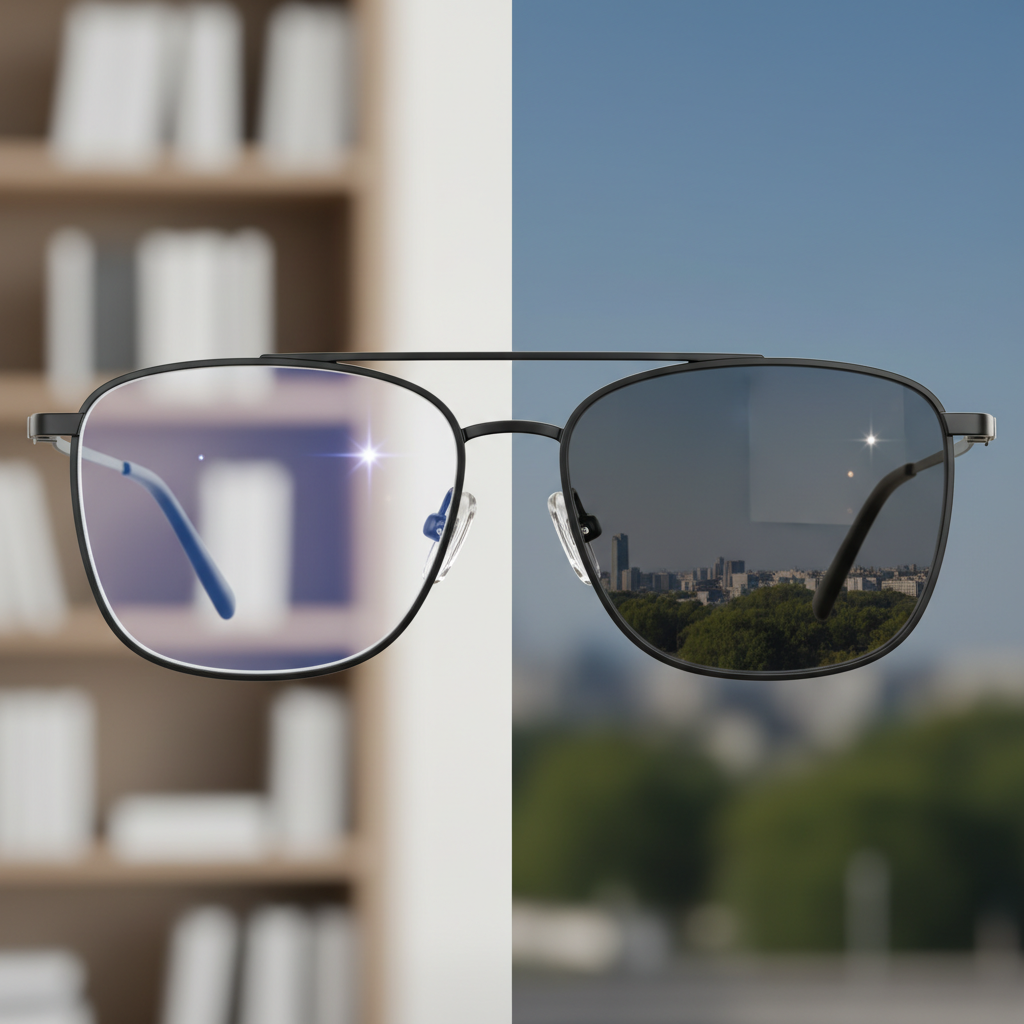
Transition lenses are a revolutionary solution for those who require vision correction while needing eye protection from varying light conditions. These specialized lenses are designed to darken in response to sunlight, adapting to different lighting environments seamlessly. When exposed to UV rays, the lenses undergo a chemical reaction that results in a darkened tint, providing wearers with the equivalence of sunglasses. This functionality makes them convenient for individuals who frequently move between indoor and outdoor settings.
The technology behind transition lenses involves photochromic molecules that react to UV light. When outside, these molecules absorb sunlight and change structure, leading to reduced light transmission and thus darker lenses. Once indoors or in the absence of UV light, the lenses return to their clear state. This dynamic capability not only enhances visual comfort but also protects the eyes from harmful UV radiation, making transition lenses a practical choice for everyday use. As we look toward 2025, advancements in this technology will likely improve the response time and durability of these lenses, ensuring optimal vision and protection for users.
Discover the Best Eyeglass Transition Lenses for 2025: Ultimate Guide
| Feature |
Description |
Ratings (out of 5) |
Price ($) |
| Photochromic Reaction Time |
Speed at which lenses darken and clear in response to UV light |
4.5 |
150 |
| UV Protection |
Percentage of UV rays blocked by lenses |
5.0 |
120 |
| Scratch Resistance |
Durability of lenses against scratches |
4.8 |
140 |
| Impact Resistance |
Ability to withstand high impact without breaking |
4.6 |
160 |
| Lens Color Options |
Variety of color choices available for lenses |
4.4 |
130 |
| Warranty |
Length of time a warranty covers the lenses |
4.9 |
110 |
Factors to Consider When Choosing Transition Lenses for Eyeglasses
When choosing the best transition lenses for eyeglasses in 2025, there are several important factors to consider. Firstly, consider the type of photochromic technology used in the lenses. Modern transition lenses are available with advanced photochromic features that can adapt to varying light conditions quickly. This ensures optimal visual comfort whether you're indoors or outdoors. Check for lenses that offer a wide range of tint shades, allowing for versatile use from bright sunlight to dim environments.
In addition to technology, the quality of UV protection should be a top priority. Opt for lenses that provide 100% UV protection to safeguard your eyes from harmful rays. It's also beneficial to look for lenses that are scratch-resistant and have an anti-reflective coating to enhance clarity and durability.
Tip: Always try on transition lenses before purchasing to see how they adapt to your personal light sensitivity and lifestyle. Tip: Consult with your eye care professional to help assess your specific visual needs and recommend the best options tailored just for you. This personalized approach will ensure you select the ideal transition lenses for your eyeglasses.
Top Brands for Eyeglass Transition Lenses in 2025: A Comprehensive Review
When selecting the best eyeglass transition lenses for 2025, it’s essential to know which brands lead the market. According to the Vision Council’s 2023 report, nearly 70% of eyewear users prefer photochromic lenses due to their versatility and convenience. These lenses adapt to different light conditions, making them an ideal choice for individuals who frequently transition between indoor and outdoor environments.
Top brands such as Essilor and Zeiss remain at the forefront of the transition lens market, offering advanced technologies that enhance performance and visual comfort. Essilor’s Varilux X Series, for example, features premium photochromic technology that allows lenses to darken faster in sunlight, providing improved protection against UV rays.
Zeiss, on the other hand, has introduced its latest shade control in their PhotoFusion line, which boasts a remarkable reduction in lens temperature under direct sunlight. As the demand for high-quality transition lenses continues to grow, these brands are set to offer innovative solutions catering to the diverse needs of consumers in 2025.
The Benefits of Transition Lenses: Comfort, Style, and Eye Health
Transition lenses, also known as photochromic lenses, are a revolutionary choice for eyewear that blend style and function. According to the Vision Council, about 79% of Americans wear prescription eyewear, and with increasing awareness of eye health, the demand for transition lenses is on the rise. These lenses automatically adjust to changing light conditions, providing comfort by reducing glare and eye strain, which is especially beneficial for those who spend extended periods outdoors or in front of screens. Studies have shown that 55% of eyeglass wearers report less eye fatigue when using transition lenses.
In addition to comfort, transition lenses also offer stylish options for wearers. With various tints and coatings available, users can select lenses that complement their personal style while enjoying superior eye protection. Research indicates that ultraviolet (UV) exposure contributes to significant eye conditions, including cataracts and macular degeneration. Transition lenses block 100% of harmful UVA and UVB rays, making them an excellent investment for eye health in the long run.
Tips: When choosing transition lenses, consider your lifestyle and where you spend the most time. If you frequently move between indoor and outdoor environments, prioritize lenses that adjust quickly. Additionally, keep in mind that some brands offer lenses with additional features, such as anti-reflective coatings, which can enhance visual clarity and reduce glare from digital screens.
How to Care for Your Transition Lenses to Ensure Longevity and Performance
Transition lenses have become a popular choice for their versatility and convenience. However, to maximize their benefits, proper care is essential. According to a recent report by the Vision Council, nearly 75% of eyeglass wearers prefer lenses that can adapt to changing light conditions. Ensuring the longevity of these lenses involves simple yet effective maintenance strategies.
To keep your transition lenses performing at their best, always clean them with a microfiber cloth and a mild lens cleaner. Avoid using paper towels or clothing, as these can scratch the surface. It's also crucial to store your glasses in a protective case when not in use. UV exposure can gradually degrade the lens material; thus, consider keeping them out of direct sunlight when possible.
**Tips:** Regularly inspect your lenses for signs of wear or scratches, which can affect their performance. If you notice any damage, consult your optician about possible replacements to enhance your vision quality and maintain optimal functionality. Additionally, avoid exposing your glasses to extreme temperatures, as this can affect their shape and performance over time.
Transition Lenses Performance Comparison for 2025